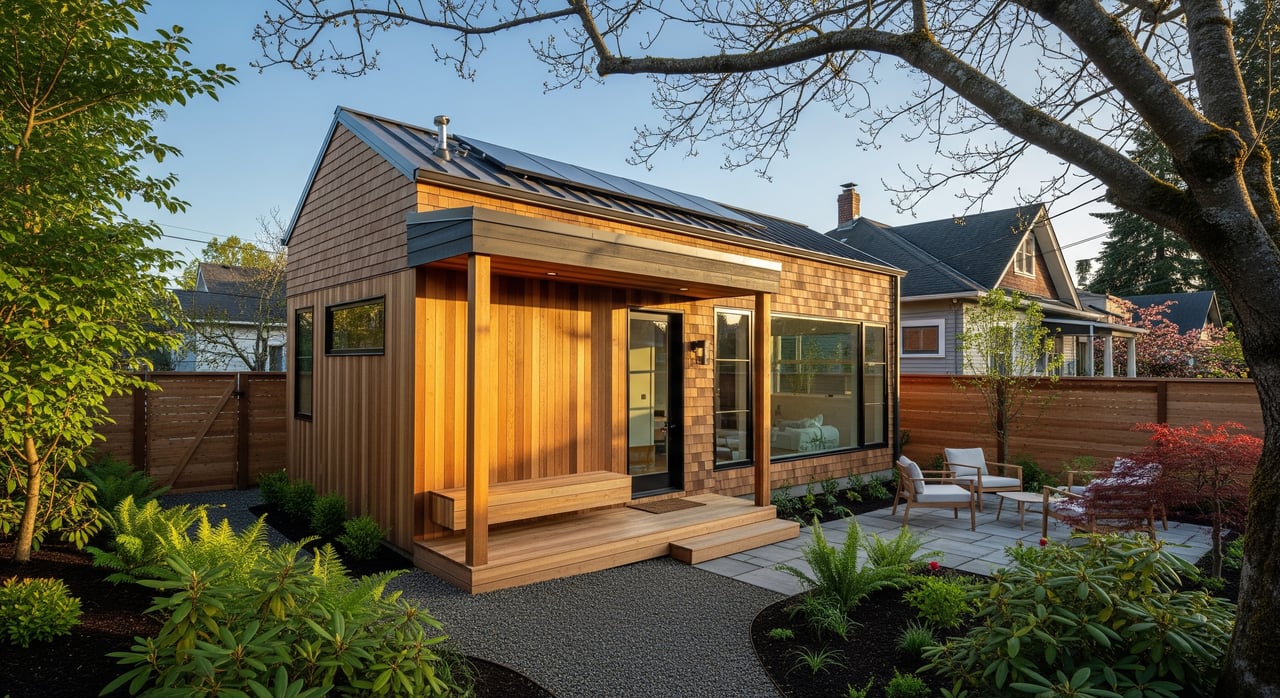
Sellwood ADU Rules, Costs, Permits & Resale Value
December 25, 2025
December 25, 2025
Thinking about adding an ADU to your Sellwood‑Moreland home? You are not alone. With strong rental demand, multi‑generational living needs, and a neighborhood feel that values flexibility, ADUs are a practical way to create space and build long‑term value. In this guide, you will learn how ADUs work in Portland, what they typically cost, and how they can influence resale in Sellwood‑Moreland. Let’s dive in.
An accessory dwelling unit is a legally permitted secondary home on the same lot as your primary house. You will see three common types in Sellwood‑Moreland:
Each type has different design, cost, and permitting considerations, so your lot and goals will guide the choice.
Sellwood‑Moreland is a mature, walkable Southeast Portland neighborhood with access to parks, shops, and transit. Those features support stable rental demand and make ADUs useful for many households. You can use an ADU for long‑term rental income, a home office, or to house relatives while keeping privacy for both households.
Many lots offer yard space and established trees. That character is part of the appeal, and it can also shape feasibility and costs, especially when tree protection or site work is required. The key is to align the ADU type with your lot, budget, and intended use.
City rules evolve, and the Portland Bureau of Development Services is the authority for current zoning and permits. Use the points below as a roadmap, then verify details with city staff before you design or build.
ADUs are generally permitted in most Portland single‑dwelling residential zones. Confirm whether a small lot size, overlay zone, or a Sellwood‑Moreland plan district adds conditions on your property.
Internal, attached, and detached ADUs are typically recognized. Your lot coverage, setbacks, and utilities often influence which type is most practical.
Cities set limits on ADU square footage, height for detached units, and required setbacks. The exact numbers depend on zoning and overlays. Ask BDS for the current standards on your specific lot.
Many ADU projects in Portland do not require new off‑street parking, especially near transit. There are exceptions, so confirm parking rules for your address early.
Owner‑occupancy and short‑term rental rules have changed over time. If you plan to rent the ADU, check current city requirements, licensing, and whether your property is eligible for short‑term use.
Parts of Sellwood have historic character. If your property sits in a historic district or conservation overlay, additional design review or approvals may apply.
ADUs must meet the Oregon Residential Specialty Code. Common focus areas include fire separation, safe egress, ventilation, and energy efficiency. Plan for inspections at milestones.
Expect permit and plan review fees. System development charges or other impact fees may apply depending on your project and any current city programs. Ask about any fee waivers or incentives that may be available.
Most projects follow a path of pre‑application questions, plans, submittal, review, corrections, permit issuance, inspections, and final approval. Simple conversions can be faster. Detached ADUs with site work often take several months from design through final.
Costs vary widely based on type, size, site conditions, and finishes. National summaries often place detached ADUs in the low to mid six figures, and the Portland area tends to run at or above those averages due to labor, permitting, and site complexity. Internal conversions usually cost less than new detached structures because you are using the existing shell.
Plan for these categories when you build your budget:
A realistic plan starts with at least three bids from Portland‑area contractors who have completed ADUs, plus early calls to BDS and local utilities about hookups and potential charges.
Common options include cash, a home equity line of credit, a home equity loan, construction or renovation loans, and specialty ADU lenders. Lender policies vary. If you plan to use ADU rent for qualification, ask your lender how they treat projected income.
ADUs can strengthen your property’s appeal. Many buyers value the flexibility of long‑term rental income, a private suite for relatives, or a separate workspace. In neighborhoods like Sellwood‑Moreland with strong amenities and steady rental demand, those features often translate into broader buyer interest and, in some cases, higher sale prices.
That said, resale impact is not one size fits all. The value premium depends on the ADU’s quality, permitting status, local buyer mix, and the rental market. A permitted ADU is significantly more attractive to buyers and lenders than an unpermitted space.
Use two practical lenses when you assess value:
Buyers who prefer a large yard or strictly single‑family use may see an ADU as a negative, so design and placement on the lot matter. For sellers, keep permits, plans, and any rental history organized so buyers can quickly validate the unit.
Building or buying a home with an ADU is both a design project and a financial decision. You deserve a clear path from feasibility to permits to resale positioning. Tesoro Real Estate blends construction fluency, market analytics, and concierge coordination to help you budget wisely, document permits, and present your property to the right buyers across Portland and beyond.
Ready to map your ADU plan or evaluate an ADU property in Sellwood‑Moreland? Connect with Gaston Sanchez for a complimentary consultation and home valuation.
Stay up to date on the latest real estate trends.
When you’re selling, I’ll position your home to achieve top dollar quickly through strategic marketing, technology, and team collaboration. When you’re buying, I’ll ensure you have real-time market data, exclusive insights, and a strong negotiating position.