Are you wrestling with how to price your Sellwood bungalow? It is common to wonder whether the recent comparable sales or the home’s current condition should carry more weight. You are not alone, and the answer depends on the neighborhood’s older housing stock, current market momentum, and the scope of any repairs or upgrades. In this guide, you will learn a clear, local process to weigh comps and condition, make smart adjustments, and set a price that supports your goals. Let’s dive in.
Why Sellwood-Moreland pricing is unique
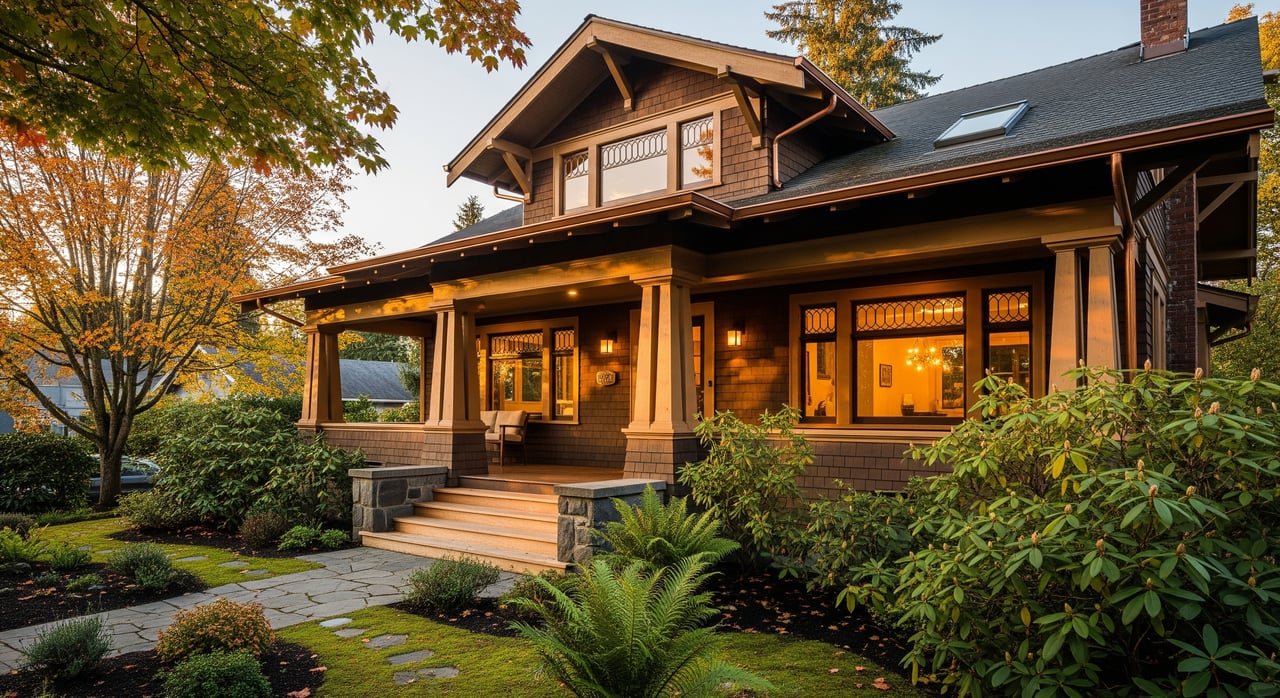
Sellwood-Moreland is full of early 20th century bungalows and Craftsman homes on modest urban lots near parks and neighborhood retail. That charm comes with wide variation in renovation history and maintenance. Two houses that look similar from the street can perform very differently once buyers see the kitchens, baths, systems, and basement.
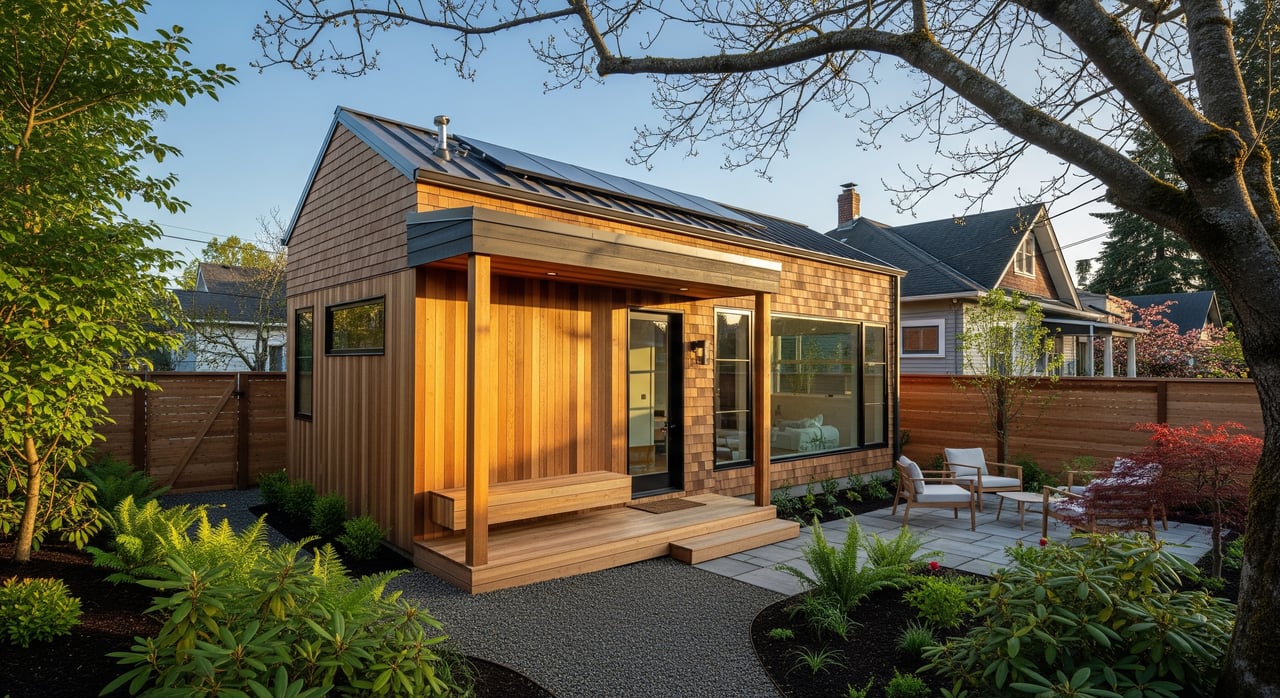
Because the housing stock is older, condition adjustments matter more here than in newer subdivisions. Items like roof age, electrical capacity, foundation integrity, and whether past work was permitted can shift value and financing outcomes. Some buyers also place value on ADU potential or attic conversions, which makes zoning and building records worth verifying before you price.
What comps really tell you
Comparable sales show what buyers actually paid for similar homes. They set your starting point. Your goal is to create a comp set that reflects your home’s micro-location, size, layout, lot, and likely buyer pool.
How to choose the right comps
- Geography: Start within Sellwood-Moreland or the closest sub-area, ideally 0.25 to 1 mile, while respecting natural boundaries like major arterials and parks.
- Timeframe: Favor the most recent sales. In active periods use 3 to 6 months, and in slower periods stretch to 6 to 12 months.
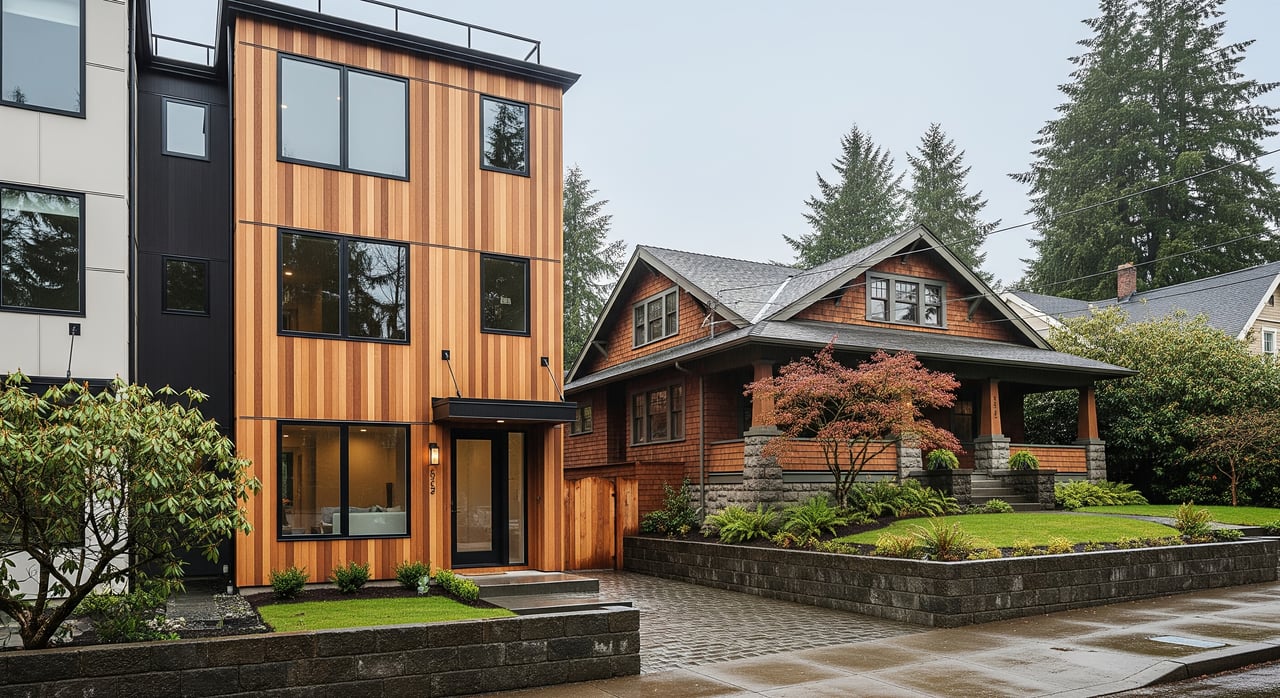
- Property type and style: Compare to detached bungalows, Craftsman homes, or vintage cottages, not to modern infill or condos unless the market treats them as substitutes.
- Size and layout: Align above-grade square footage and bedroom and bath count, and watch for functional differences like finished attics or basements.
- Lot and amenities: Consider garage or off-street parking, outdoor space, and any views or unique site features.
- Condition: Match condition where possible. If not, plan to adjust.
A strong comp set includes 3 to 6 solds, plus a few active and pending listings to gauge current demand and pricing boundaries.
Limits to keep in mind
Micro-neighborhoods can have small sample sizes, so you may need to use less-than-ideal comps and apply bigger adjustments. Comps capture past sales, not next month’s demand. If the market is shifting, you may need to tilt slightly up or down to reflect momentum.
How condition moves price
In older neighborhoods, buyers pay careful attention to what they cannot easily change. Condition falls into three broad categories that affect price differently.
Cosmetic, functional, and structural
- Cosmetic: Paint, flooring, minor finishes. Cost to cure is lower, and the impact on value is moderate.
- Functional: Kitchens, baths, appliances, electrical capacity, HVAC. Buyers are more sensitive, and costs are higher.
- Structural or severe: Foundation issues, major roof or water intrusion, and mold. These have a large negative impact, can complicate financing, and often require meaningful price adjustments or credits.
Permits and legality
Unpermitted work can reduce marketability, cause appraisal challenges, and limit financing. Verify permit history through Multnomah County records and Portland’s property databases. If you have unpermitted spaces, disclose them and price accordingly.
Quantifying condition adjustments
You can translate condition into price with two practical methods. Many sellers use both and then cross-check.
Dollar-cost method
- Get a pre-listing inspection to understand material defects.
- Obtain contractor estimates for repairs or updates. Focus first on items that can affect safety, habitability, or financing.
- Adjust your target price by all or part of the cost, based on buyer expectations in today’s market. Major structural repairs often require full cost coverage plus a discount for the disruption. Cosmetic items may translate to a smaller fraction.
Market-based method
- Group recent sales by condition tiers, such as renovated, updated, and original.
- Note the typical price spread between these tiers for similar homes.
- Apply that spread to your property, then fine-tune using actual repair costs and current demand.
When comps matter more, and when condition wins
- Plentiful, similar comps: If there are several near-identical bungalows that sold recently, comps will dominate and only modest condition adjustments are needed.
- Scarce or varied comps: If nearby sales differ in age, footprint, or renovation level, your home’s condition will carry more weight and adjustments will be larger.
- Market temperature: In a tight seller’s market with low inventory, buyers may overlook some deferred maintenance. In a cooler market, condition issues are penalized more and days on market increase if pricing is not aligned.
Step-by-step pricing workflow
- Market scan: Pull recent sold, active, pending, and expired listings within 0.5 to 1 mile, focusing on bungalows and similar vintage homes. Note days on market and list-to-close gaps.
- Condition audit: Commission a pre-listing inspection or a contractor walkthrough. Get firm estimates for likely buyer asks.
- Records check: Review Multnomah County and City of Portland records for permits, zoning, easements, and any historic overlays. Resolve or disclose issues early.
- Financial analysis: Prioritize repairs that remove financing or appraisal obstacles, such as roof, mechanicals, or significant structural items. Weigh the cost of doing the work against the expected value lift.
- Build your comp set: Choose 3 to 6 primary comps. Adjust for square footage, beds and baths, lot, garage, and basement finish, then layer in condition using your inspection and estimates.
- Price banding: Create a narrow price range that reflects both comps and condition. Consider active competition and market momentum when choosing the list price within that range.
- Listing strategy: Decide whether to repair first or sell as-is with a built-in discount or credit. Align your strategy with the most likely buyer pool and financing path.
- Disclosure and negotiation plan: Prepare required state and local disclosures, your property condition report, and a buffer for inspection credits or appraisal shortfalls.
Strategy choices that protect your net
- Quick refresh, higher net: If repairs are mostly cosmetic, tidy up, paint, and stage. These lower-cost steps often help market perception and support stronger offers.
- As-is for major items: If structural repairs are expensive and timing is tight, an as-is strategy with clear disclosures and an appropriate price can attract buyers who value projects or investors.
- Create healthy competition: In a hot local moment, pricing slightly below perceived market value can generate multiple offers and a stronger final price. In a balanced or cooling period, stick closer to the adjusted comp value to avoid price cuts later.
Prepare for appraisals and financing
Appraisers lean on comps and apply condition adjustments based on market evidence. Help them see your home’s value by preparing organized support.
- Provide your comp package, inspection summary, and invoices for recent upgrades.
- Share documentation of permitted work and permit history.
- If an appraisal comes in low, options include renegotiating price, the buyer bringing cash to cover the gap, a temporary credit, or asking for reconsideration with additional comparables.
Your next move
Price confidently by combining a local comp set with a clear, documented picture of condition. Verify permits, get estimates for key repairs, and choose a listing strategy that fits your timeline and target buyer pool. If you want a hands-on partner, Tesoro Real Estate provides data-driven pricing, premium marketing, and concierge coordination with inspectors and contractors so you are ready on day one.
Ready to get started? Request a Complimentary Consultation & Home Valuation with Gaston Sanchez to price your Sellwood bungalow with clarity and confidence.
FAQs
What matters more for Sellwood pricing, comps or condition?
- Both matter. Comps set the baseline, and condition determines where your home lands relative to that line.
How many comps should I use for a Sellwood bungalow?
- Aim for 3 to 6 recent solds plus a few active and pending listings to understand current competition.
Should I renovate before selling in Sellwood-Moreland?
- Address critical repairs first, then consider targeted cosmetic or kitchen and bath refreshes if the expected value lift exceeds cost and time.
How do I quantify price adjustments for repairs?
- Use contractor estimates to apply a dollar-cost adjustment and compare against market-based spreads between condition tiers.
How can I avoid an appraisal shortfall on my bungalow?
- Share a strong comp package, inspection report, proof of permitted work, and invoices for upgrades, and price in line with recent relevant sales.