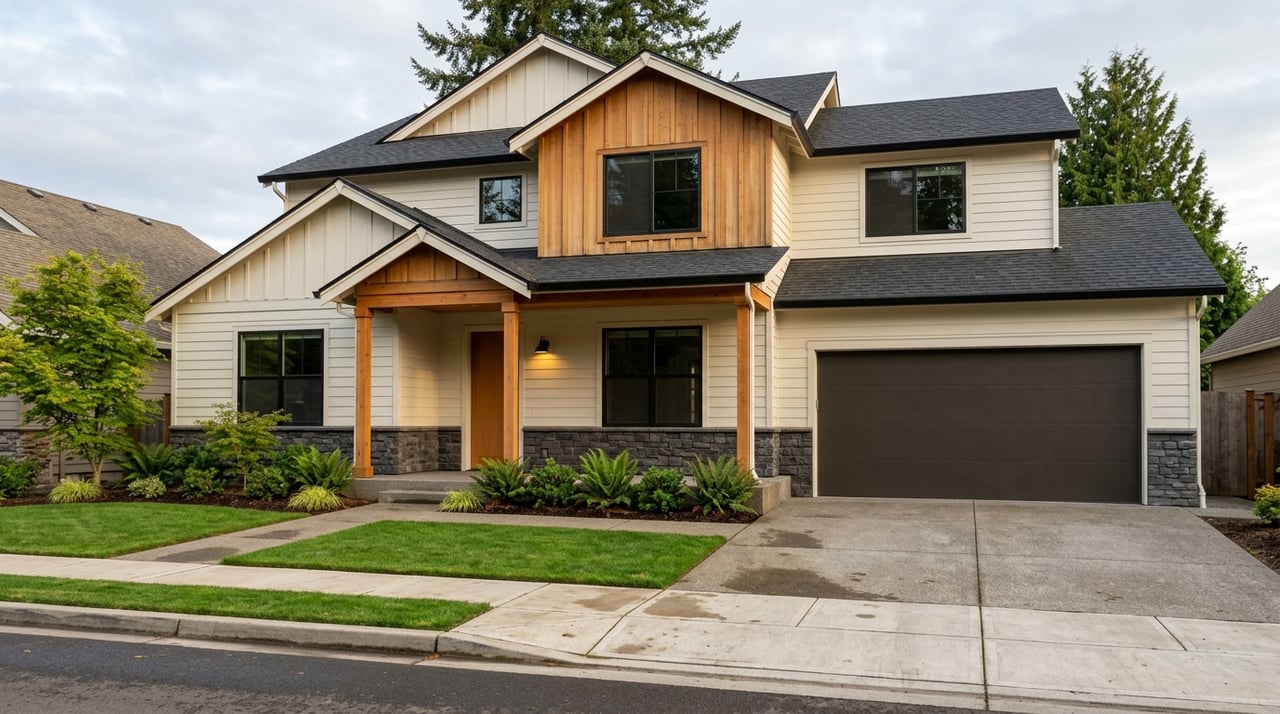
Planning A Move-Up Purchase In SW Portland
May 7, 2026
May 7, 2026
If you love Southwest Portland but your current home no longer fits the way you live, you are not alone. A move-up purchase can open the door to more space, a different layout, or a better fit for your next chapter, but it also comes with bigger financial and timing decisions than a first move. The good news is that with the right plan, you can sort through the numbers, compare your options, and move forward with more confidence. Let’s dive in.
Southwest Portland is not one single housing market. Official neighborhood descriptions from Portland show a mix of settings, from the more suburban feel of West Portland Park to the closer-in convenience of Hillsdale and the village-style character of Multnomah.
That matters because your next home may look very different depending on what you want most. You may be looking for more square footage, a quieter setting, or easier access to daily amenities, and each goal can point you toward a different part of Southwest Portland.
There is also a meaningful price jump to plan for. Portland Housing Bureau’s 2024 District 4 profile reported a median detached home sale price of $750,000 and a median of $625,000 across all home types, which means the gap between your current home and your next one can be wider than expected.
The Portland metro market has become more balanced than it was during the most competitive recent years, but it is still selective. A March 2026 Portland metro update based on RMLS data reported 3.0 months of inventory, 5,311 active listings, 2,738 new listings, 2,319 pending sales, 1,790 closed sales, and an average total market time of 79 days.
For move-up buyers, that creates a mixed picture. You likely have more choices than you would have had in a tighter market, but pricing and preparation still matter because well-positioned homes continue to attract attention.
The same March 2026 update placed West Portland’s median sale price at $705,000. Nearby comparison areas were higher or lower, including $810,000 in Lake Oswego and West Linn and $630,000 in Tigard, Tualatin, Sherwood, and Wilsonville.
If you are hoping to stay in Southwest Portland, those numbers suggest you should be realistic about your budget early. If you are open to nearby areas, you may have more flexibility depending on the home type and features you want.
Before you tour homes, focus on what you would actually keep from your sale. Home equity is the value of your home minus what you still owe, but your move-up budget should be based on net proceeds, not just your expected sale price.
That means accounting for your mortgage payoff and transaction costs before deciding how much cash you can apply to the next purchase. This step is simple in concept, but it often changes the price range that feels comfortable.
A move-up plan usually works better when you answer a few key questions up front:
When you know your net equity position, you can shop with a clearer target and avoid stretching based on a headline number.
One of the biggest move-up decisions is whether to sell first or buy first. Each path can work, but each comes with tradeoffs around risk, convenience, and cash flow.
According to CFPB guidance, homeowners normally try to sell their current home before buying another one. That approach often reduces the risk of carrying two housing payments at once.
Still, some homeowners want to access equity before the sale closes. In that case, the financing structure becomes especially important.
Selling first can give you the clearest picture of your budget. Once your sale is complete, you know your actual proceeds and can make decisions based on firm numbers instead of estimates.
This strategy may also lower financial stress because you are less likely to overlap two mortgage-related payments. The tradeoff is that you may need temporary housing or a flexible transition plan if you do not secure your next home right away.
Buying first can make the move feel smoother if you want to avoid a gap between homes. It may also help if the right property appears before your current home is on the market.
The challenge is that this approach can increase your overlap risk. You may need to qualify for the next purchase while still carrying your current home, and that can add pressure if your sale takes longer than expected.
CFPB defines a HELOC as an open-end line of credit secured by your home equity. A home equity loan or HELOC is generally a second mortgage, which means it creates its own payment obligation.
For some move-up buyers, that can provide access to funds before selling. But it also adds another layer to your monthly budget, so it should be weighed carefully against your timing and tolerance for carrying costs.
Federal TILA guidance notes that a temporary bridge loan with a term of 12 months or less can be used to finance a new dwelling when you plan to sell your current dwelling within 12 months. This can help cover the short-term gap between buying and selling.
A bridge loan is designed for overlap, but it also adds complexity. If you are considering this route, the key question is whether the convenience of moving first outweighs the cost and risk of temporary financing.
No matter which timing strategy you prefer, financing should be part of your plan before serious house hunting begins. CFPB recommends shopping around and getting preapproved before you focus on specific homes.
That step matters even more in a move-up purchase because you may be coordinating a sale, a purchase, and a move at the same time. You want to understand how your current mortgage, equity position, and future payment all work together.
CFPB also notes that the loan closing and the home purchase closing typically happen at the same time. In practice, that means your timeline needs to account for multiple moving parts across two transactions, not just one.
It is easy to start with a vague goal like “more house,” but a better move-up plan starts with specific priorities. In Southwest Portland, different neighborhoods can support different lifestyles, so your search should connect your budget with the way you want to live day to day.
For example, you may prefer:
Portland’s neighborhood descriptions highlight just how varied Southwest Portland can be. West Portland Park is described as more suburban in feel, Hillsdale includes a shopping center, farmers market, library branch, and schools, and Multnomah is home to Multnomah Village.
That variety is helpful because it gives you real choices. It also means your “move-up” may be about lifestyle fit just as much as square footage.
A more balanced market does not mean you can wait forever once the right property appears. With 3.0 months of inventory in March 2026 and an average market time of 79 days, homes are not disappearing overnight across the board, but well-priced listings are still moving.
That is why preparation matters. If you already know your net proceeds, have your financing lined up, and understand your preferred timing strategy, you can make a decision faster when a strong match comes on the market.
This is often where move-up buyers gain an advantage. The households that plan before listing tend to make calmer, better-informed choices when the stakes rise.
A clear checklist can help you avoid juggling too many decisions at once. Before you list your current home, make sure you can answer these questions:
This kind of planning helps turn a stressful leap into a structured process. It also keeps your decisions rooted in facts instead of guesswork.
A move-up purchase is really two major transactions tied together. You are not just selling a home or buying a home. You are managing pricing, timing, financing, logistics, and the emotional side of change all at once.
That is why a data-driven plan can make such a difference. When you understand your equity, your neighborhood options, and your timing strategy, you can move with more control and less uncertainty.
If you are thinking about a move-up purchase in Southwest Portland, the smartest first step is a plan built around your numbers, your priorities, and your timeline. When you are ready for a thoughtful, concierge-level approach to selling and buying, connect with Gaston Sanchez.
Stay up to date on the latest real estate trends.
When you’re selling, I’ll position your home to achieve top dollar quickly through strategic marketing, technology, and team collaboration. When you’re buying, I’ll ensure you have real-time market data, exclusive insights, and a strong negotiating position.