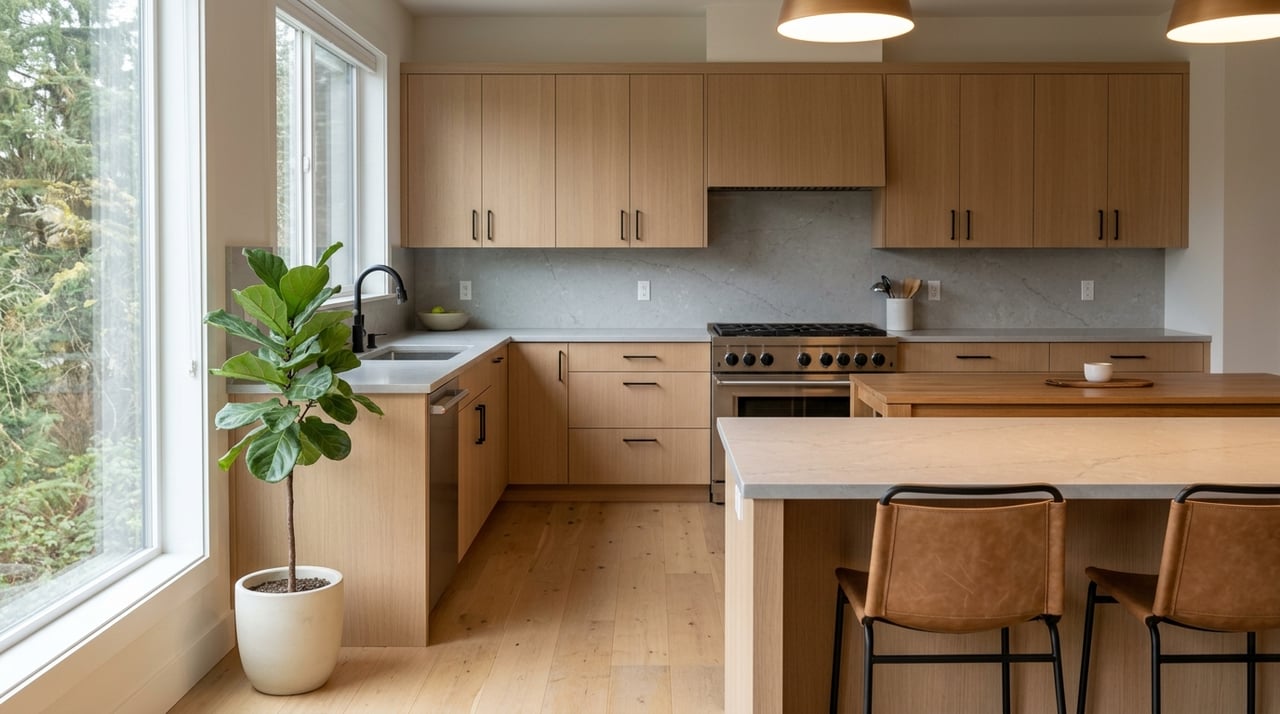
Step-By-Step Plan To Sell Your Oregon City Home
April 23, 2026
April 23, 2026
Wondering how to sell your Oregon City home without leaving money on the table or getting stuck in a stressful, drawn-out process? You are not alone. In a market where some homes sell above list price while others need price reductions, a clear plan can help you make smarter decisions from day one. This step-by-step guide walks you through what to expect, what matters most, and how to move forward with confidence. Let’s dive in.
Before you list, it helps to know what kind of market you are stepping into. According to the latest Oregon City housing market data from Redfin, the market is very competitive. In March 2026, the median sale price was $546,600, homes sold in about 29 days, and sellers received about two offers on average.
That same snapshot also shows why strategy matters. About 35.1% of homes sold above list price, but 27.0% had price drops. In other words, demand is active, but buyers are still paying attention to price, condition, and timing.
For broader context, Clackamas County market data points in a similar direction, though the numbers vary by source and methodology. Zillow’s Clackamas County data suggests an active market with homes going pending in a median of 24 days, while countywide figures should be treated as directional rather than directly interchangeable with Oregon City-specific numbers.
Your list price shapes everything that follows. It affects buyer interest, showing activity, negotiation leverage, and whether you stay competitive in the first few weeks on market.
A strong pricing strategy should begin with a comparative market analysis, or CMA. That means looking closely at recent sold homes, active competition, pending listings, property condition, lot characteristics, upgrades, and location factors that buyers in Oregon City are weighing right now.
Pricing should also connect to your bottom line, not just a number you hope to achieve. A realistic net-proceeds estimate can help you understand what you may walk away with after common selling costs, payoff amounts, and transaction expenses.
This evidence-based approach also aligns with Oregon Real Estate Agency recordkeeping guidance, which states that sellers’ agents should keep pricing documentation showing how the price was established and why it changes. That is one more reason not to guess.
When a home is priced too high, buyers may skip it in favor of better-positioned options. That can lead to fewer showings, weaker offers, and eventually a price reduction.
In Oregon City, Redfin reports that 27.0% of listings had price drops. That does not mean you should underprice your home. It means you should price it with current market evidence so you can attract serious buyers early, when your listing is freshest.
Once pricing is in motion, your next job is preparation. Buyers compare homes quickly, online and in person, so presentation matters.
At a practical level, this stage usually includes decluttering, basic repairs, deep cleaning, and professional photography. Depending on your home, it may also include staging or a pre-list inspection if your agent recommends one.
The goal is not perfection. The goal is to reduce distractions, highlight the home’s strengths, and help buyers picture themselves living there.
Not every project delivers equal value. Before spending money, it helps to think about repairs in three buckets:
In many cases, clean, well-maintained, and move-in-ready beats over-renovated. A data-driven conversation can help you decide which repairs are worth doing before listing and which ones may not be necessary.
Preparation is also about paperwork. According to Oregon Real Estate Agency guidance on business recordkeeping, a complete listing file may include the signed listing agreement, the seller’s property disclosure statement, proof of ownership or signing authority, and property information such as zoning, flood zone, CC&Rs, and lease data when relevant.
Getting organized early can help prevent delays once your home goes live. It also makes the process feel more manageable because you are not scrambling for documents after offers come in.
When your home is ready, the launch should feel coordinated, not rushed. This is when pricing, presentation, and marketing all work together to create momentum.
A strong launch often includes MLS exposure, portal syndication, photography, and a showing plan designed to capture buyer attention in the first days on market. In a competitive environment, that early window matters because well-positioned homes can attract fast interest.
Redfin notes that hot homes in Oregon City can go pending in about six days. That does not happen for every listing, but it does show why your first impression matters.
There is also a legal side to the listing process that many sellers do not think about until they are in it. In Oregon, brokers must provide the Initial Agency Disclosure Pamphlet at first contact.
That pamphlet explains the legal relationship and the affirmative duties owed to buyers and sellers. For you, this means a listing consultation is not just about price and photos. It is also about understanding representation, responsibilities, and the steps ahead.
Once offers start coming in, it is easy to focus only on the highest number. But the strongest offer is not always the one with the top price.
A complete offer review should look at the financing strength of the buyer, the amount of earnest money, inspection timing, contingencies, requested closing date, and any terms that could affect your risk or flexibility. A cleaner offer can sometimes be more attractive than a higher offer with more uncertainty.
When you review offers, pay close attention to:
This is where calm, structured negotiation can make a real difference. The goal is not only to secure a good contract, but to choose terms that are realistic and likely to close.
Disclosures are an important part of this stage. Under Oregon seller disclosure law, the disclosure form is based on the seller’s actual knowledge.
The same statute also states that, after delivery of the disclosure statement, the buyer generally has five business days to revoke the offer unless that right is waived. If you have questions about legal consequences, the statute says those questions should be directed to a qualified attorney.
After you accept an offer, the transaction moves into escrow. This is the period when deadlines, documents, funds, and closing conditions are coordinated.
The Oregon Real Estate Agency explains that an escrow agent is a neutral third party that holds money, instructions, and documents until the agreed conditions are met. In simple terms, escrow helps make sure everyone does what the contract requires before ownership transfers.
During escrow, you can expect several moving parts, including:
In Clackamas County, the County Clerk’s Recording Division preserves public real-property records and records documents affecting title or interests in real property. That is part of why deed recording and title coordination matter so much on closing day.
Every sale is different, but local data gives you a useful benchmark. Redfin reports that homes in Oregon City sold in about 29 days in March 2026.
That said, timelines vary based on price, preparation, competition, and the condition of your home. Some well-positioned listings move much faster, while others take longer, especially if they miss the market on price or presentation.
Selling is not just about your house. It is also about how buyers view the area, inventory levels, and the broader direction of the city.
Oregon City had an estimated population of 38,327 in 2024, with a 65.3% owner-occupied housing rate, according to the U.S. Census QuickFacts page for Oregon City. The city has also adopted OC2040, its comprehensive plan, as a long-term blueprint to guide growth, development, and public investment.
That does not guarantee short-term market movement. It does, however, offer helpful context for sellers who want to understand how Oregon City continues to plan for growth over time.
If you are thinking about selling, the smartest first move is a pricing and preparation consultation built around your specific home. A data-driven plan can help you avoid overpricing, focus your pre-listing efforts, and compare offers with more confidence.
With the right strategy, selling your Oregon City home can feel clear, organized, and far less stressful. If you want expert guidance on pricing, marketing, and concierge transaction coordination, connect with Gaston Sanchez for a complimentary consultation and home valuation.
Stay up to date on the latest real estate trends.


When you’re selling, I’ll position your home to achieve top dollar quickly through strategic marketing, technology, and team collaboration. When you’re buying, I’ll ensure you have real-time market data, exclusive insights, and a strong negotiating position.