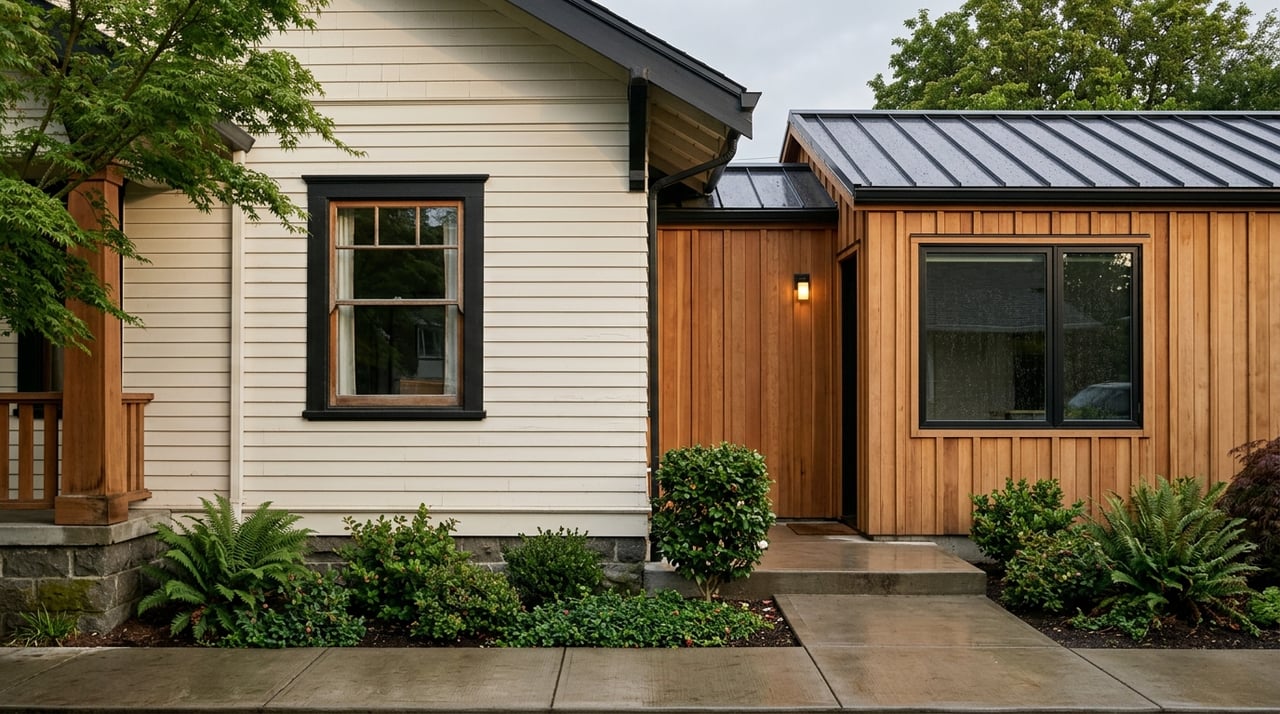
Historic Character Or Newer Build? Buying In Oregon City
April 16, 2026
April 16, 2026
Trying to choose between a home with vintage charm and a newer, more turnkey layout? In Oregon City, that decision is especially meaningful because the housing stock spans historic districts, older standalone homes, and planned growth areas with newer construction. If you are weighing character against convenience, this guide will help you compare the tradeoffs, ask better questions, and buy with more confidence. Let’s dive in.
Oregon City is not a one-style market. The city has 37,572 residents, a 65.3% owner-occupied housing rate, and a median owner-occupied home value of $555,800 according to the U.S. Census QuickFacts for Oregon City.
What makes the local search more interesting is the range of home types and neighborhood settings. Oregon City describes downtown as the historical heart of the city, while growth planning continues in South End, Park Place, and Thimble Creek with an emphasis on mixed-use neighborhoods, open space, trails, and infrastructure. That means your decision is not just about age of home. It is also about how you want to live day to day.
If you love original millwork, established lots, and a home that feels distinct, older properties may be the right fit. In Oregon City, historic homes are found in more than one setting, from established areas with mature trees to older homes on larger parcels or tucked into changing neighborhoods.
The feel can vary widely. Oregon City notes that McLoughlin has a late-19th- and early-20th-century ambiance, while Canemah has a different identity shaped by its river-edge setting and former boat-town history. Those details can make your home search feel more personal, but they can also affect what you should review before making an offer.
One of the biggest practical questions is whether the property is in an area with historic review rules. According to Oregon City, the McLoughlin Conservation District is the city’s only locally designated historic district. In McLoughlin, exterior alterations, larger additions, or new construction can trigger review by the Historic Review Board.
Oregon City also states that Canemah is a National Register district where most homes require review of exterior alterations, and all new construction and additions require review. By contrast, downtown Oregon City is not currently a designated historic district, though individual landmarks there can still require review. You can start with the city’s historic preservation guidance and compatible change information when evaluating a property.
Historic character often comes with a longer maintenance checklist. Oregon City’s homeowner guide highlights common focus areas such as foundations, storm windows and doors, siding, gutters and downspouts, roofs, fences and walls, and accessory structures.
The good news is that not every project requires city approval. The city’s Homeowner Guide to Oregon City’s Historic Properties says historic guidelines do not apply to interior work, regular maintenance, or repair of existing structures. It also says ordinary maintenance or minor repairs that use identical materials and design do not require an application.
If you are considering an older home, your inspection strategy matters. The EPA explains that homes built before 1978 may contain lead-based paint, and the older the building, the more likely it is to be present.
Older homes can also have less insulation than newer ones. The U.S. Department of Energy notes that many older homes do not have the insulation levels common in homes built today. Other common concerns can include outdated electrical components such as knob-and-tube or aluminum wiring, foundation cracks, air leakage, and potential radon entry points.
Moisture is another key issue. OSU Extension guidance cited in the research warns that moisture and insect damage can become expensive and recommends annual indoor and outdoor inspections to catch leaks, rot, and crawl-space issues early. For you as a buyer, that means older-home charm should always be paired with a careful review of condition.
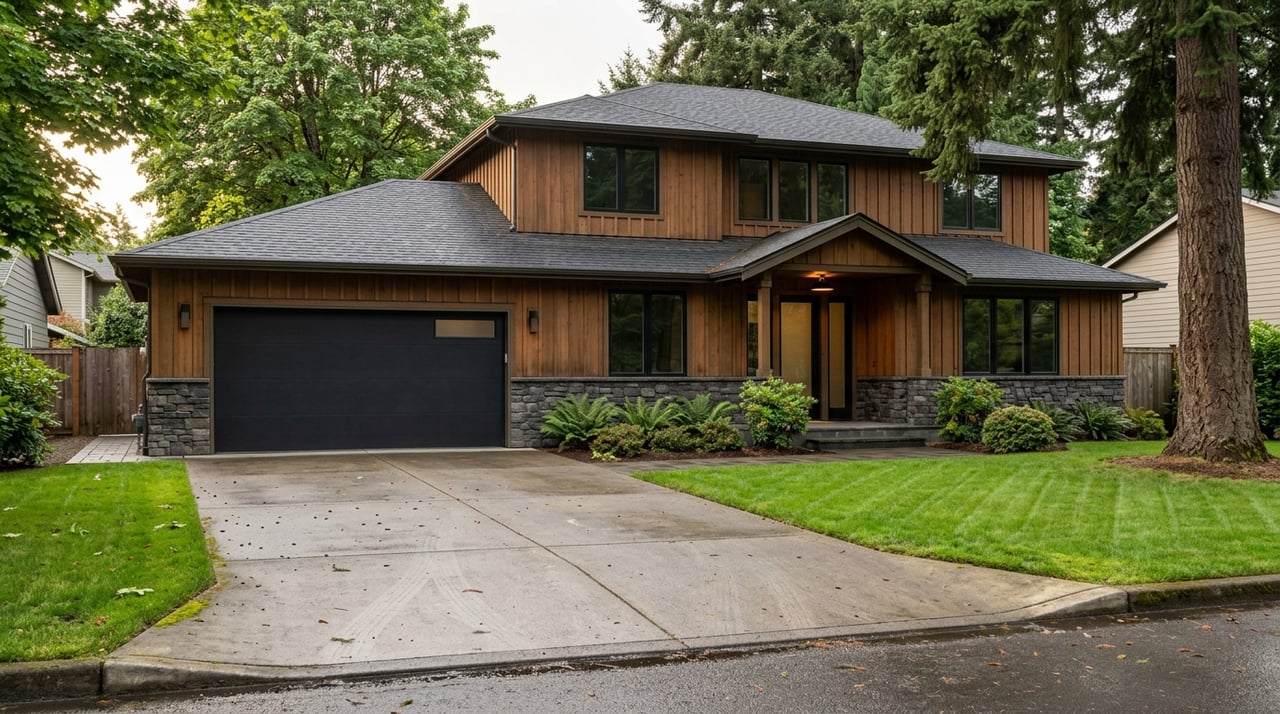
If your priority is a more predictable layout, updated systems, and a simpler maintenance baseline, a newer build may make more sense. In Oregon City, newer construction is often tied to planned growth areas and infill development rather than one single subdivision style.
The city’s planning for South End, Park Place, and Thimble Creek emphasizes mixed housing types, parks, trails, open space, pedestrian and bicycle connections, and public infrastructure. Oregon City’s South End Concept Plan offers a useful snapshot of how these areas are being shaped.
Many buyers are drawn to new construction because it can reduce the number of immediate repairs or upgrades after move-in. From an energy perspective, newer homes also tend to start with a stronger baseline. The Department of Energy says that minimizing air movement is central to energy-efficient construction, and poorly sealed homes are more vulnerable to drafts, moisture, cold spots, and insect issues.
That does not mean every newer home performs the same way. Build quality, air sealing, materials, and site conditions still matter. But if you want a home that may require fewer near-term system updates, newer construction can be appealing.
Newer does not always mean simpler. Oregon City’s infill public improvements guidance says certain new homes or major additions may need engineered public improvements such as pavement, curbs, gutters, sidewalks, planter strips, street trees, and sometimes sewer or water extensions.
That is an important detail if you are buying a newer infill property or evaluating costs tied to future changes. Before you buy, make sure you understand what site work has already been completed and whether any remaining obligations affect your budget, timeline, or use of the property.
For most buyers, this comes down to a practical tradeoff. A historic or older home may offer more architectural detail, established surroundings, and a one-of-a-kind feel. A newer home may offer more predictable systems, stronger energy performance, and fewer historic-review constraints.
Neither option is automatically better. The better fit depends on your tolerance for upkeep, your renovation goals, your timeline, and how much uncertainty you are comfortable absorbing after closing.
Whether you are leaning old or new, these questions can help you compare homes more clearly:
The Department of Energy recommends professional home energy assessments, which may use tools such as blower doors and infrared cameras to identify air leaks and insulation gaps. That can be especially helpful if you are trying to understand the true cost of owning an older property.
It is easy to focus on purchase price and overlook ownership costs. In Oregon City, that can be a mistake, especially when comparing older homes with newer construction.
For historic homes, Oregon City’s homeowner guide says historic designation does not by itself trigger reassessment or special taxes. In many cases, the bigger financial issue is the method and material cost of maintenance, not tax treatment. That means your budget should leave room for repairs, upkeep, and thoughtful updates where needed.
For newer or infill homes, your budget may need to account for site improvements, finishing work, or neighborhood infrastructure questions. A smart financing plan should match the real condition and future needs of the property, not just the listing photos.
The best way to approach this decision is to match your style preference with professional due diligence. If you love historic character, make sure you are equally ready for inspections, maintenance planning, and any applicable exterior review process. If you prefer a newer build, look closely at quality, energy performance, and any remaining site or infrastructure obligations.
That is where a data-driven, construction-aware approach can make a real difference. When you understand the property’s condition, review requirements, and likely future costs, you can make a choice that feels exciting and sustainable.
If you are comparing historic homes and newer builds in Oregon City, Gaston Sanchez can help you evaluate the numbers, the construction details, and the real-world tradeoffs so you can move forward with clarity.
Stay up to date on the latest real estate trends.
When you’re selling, I’ll position your home to achieve top dollar quickly through strategic marketing, technology, and team collaboration. When you’re buying, I’ll ensure you have real-time market data, exclusive insights, and a strong negotiating position.