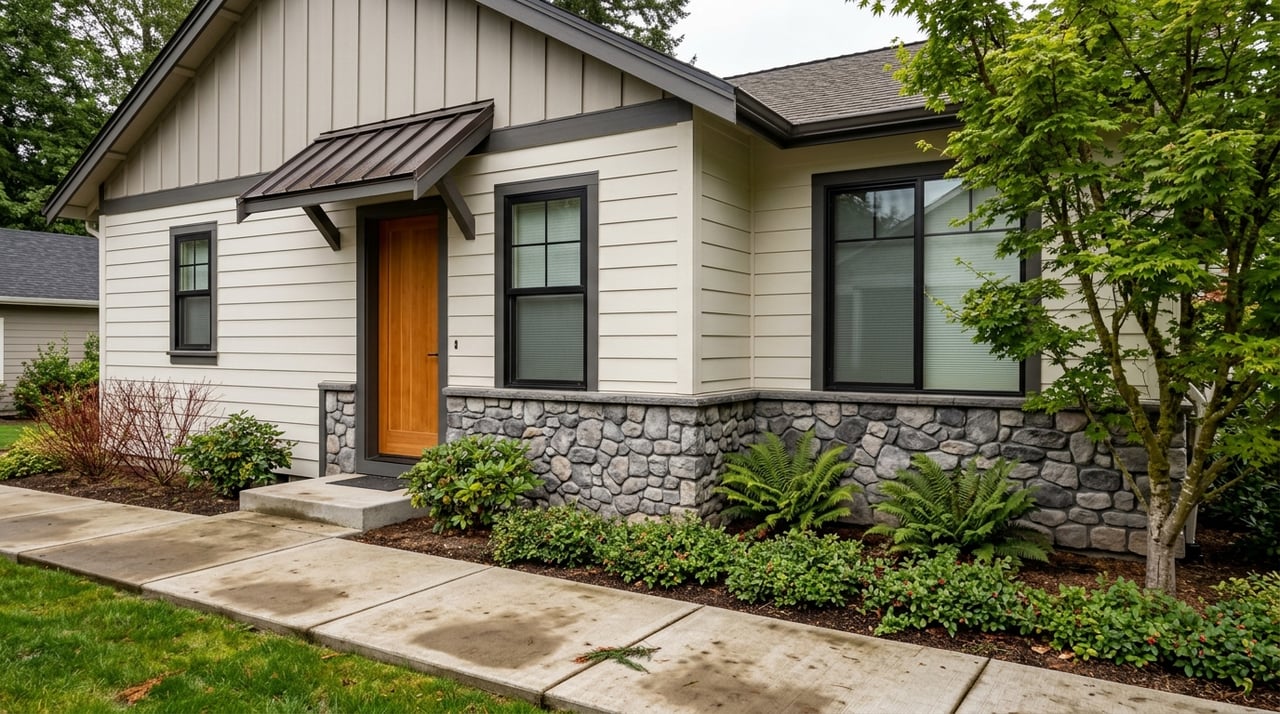
Living in Oregon City Oregon: Historic Charm and Trails
July 2, 2026
July 2, 2026
Looking for a Portland-area city that feels distinct from a typical suburb? Oregon City stands out with a historic downtown, river views, and a trail network that shapes daily life in a very real way. If you are weighing a move and want a clearer sense of what living here actually feels like, this guide will walk you through the setting, convenience, and character that define Oregon City. Let’s dive in.
Oregon City sits on the east side of the Willamette River just below Willamette Falls, and that setting gives it an identity that is hard to confuse with nearby cities. The city is also the county seat of Clackamas County, which adds to its practical importance in the area.
Its history is a big part of its appeal. The city identifies itself as the first permanent Euro-American settlement in the Willamette Valley and the first incorporated city west of the Rocky Mountains. That long history still shows up in the layout, architecture, and feel of the community.
Oregon City is also shaped by a three-terrace topography. In simple terms, the city rises in levels, which creates a more layered streetscape than you might expect in a suburban market. That vertical layout affects views, routes, and the way different parts of the city connect.
If you are comparing cities, the current numbers help frame what life here may look like. Census estimates show Oregon City had 38,327 residents in 2024, with 13,944 households.
The same data puts median household income at $97,829 and the median owner-occupied home value at $555,800. The average commute to work was 26.5 minutes. Those figures place Oregon City in a middle-to-upper range within Clackamas County comparisons.
Here is a simple snapshot:
| Metric | Oregon City |
|---|---|
| Population | 38,327 |
| Households | 13,944 |
| Median household income | $97,829 |
| Median owner-occupied home value | $555,800 |
| Average commute | 26.5 minutes |
One of the biggest reasons people notice Oregon City is its historic core. The Downtown Community Plan describes the area as the city’s historical heart, and that focus is visible in how the area is maintained and used.
This is not just a city with a few old buildings. Oregon City has more than 500 locally designated historic properties, including the downtown, McLoughlin, and Canemah historic districts. That helps create a built environment where preservation and newer activity exist side by side.
For you as a buyer or future resident, that means the historic setting is not frozen in time. It remains part of everyday life, with ongoing use, city investment, and business activity in the core.
The Main Street project from 5th to 10th converted the corridor to two-way traffic and improved streetscape elements. It also helped support new businesses and downtown events.
That matters because a historic district feels more useful when it is active, accessible, and easy to navigate. In Oregon City, the downtown is not simply a backdrop. It is part of the city’s routine rhythm.
The Municipal Elevator is one of Oregon City’s most recognizable features, but it is also practical. The city says it is free, operates daily on set hours, and remains one of only four municipal elevators in the world.
It connects lower downtown to the bluff above, which makes the city’s vertical layout part of everyday movement. The elevator is also tied to Elevator Street, which the city identifies as the only vertical street in North America.
For residents, that means topography is not just scenery. It is part of how you move through the city and experience it. Few nearby communities offer that same blend of function, history, and local identity.
If you value a strong connection to the landscape, Oregon City delivers that in a very visible way. The Willamette River and Willamette Falls are not distant features. They are part of the city’s daily backdrop.
The McLoughlin Promenade helps bring that setting into everyday life. This 7.8-acre bluff-top linear park offers views of the river, the falls, and downtown Oregon City, and it connects to the Municipal Elevator.
That connection matters because it ties together the upper city, the lower downtown, and the river setting. It is one of the clearest examples of how Oregon City’s natural features and urban form work together.
Oregon City’s trail system is another major draw, especially if you want more than just a scenic place to visit on weekends. The city’s Trails Master Plan says trails are intended to support both recreation and commuter trips.
That dual purpose is important. It means the network is not only about leisure. It also supports practical movement through and around the city.
Several routes stand out for daily use and access:
The city’s walking and biking map also highlights places like downtown, Singer Creek Park, Hillendale Park, Chapin Park, and Clackamette Park. Together, these routes and public spaces create options for fresh air, movement, and scenic access without needing to leave town.
Oregon City is also planning stronger trail connections over time. The Oregon City Loop Trail refinement plan describes a loop around the city linking Newell Creek Canyon and Beaver Lake Trail.
Another plan, the McLoughlin-Canemah Trail, outlines a shared-use path connecting Canemah Bluff Natural Area to the McLoughlin Promenade. For buyers thinking long term, these plans signal continued investment in connected outdoor access.
Convenience matters just as much as charm, and Oregon City offers a useful transportation mix. For many households, that mix can support commuting, errands, and regional travel in a flexible way.
TriMet’s Oregon City Transit Center connects to multiple bus routes. Clackamas County’s Oregon City Shuttle serves shopping, grocery, college, post office, and health care stops, which adds another layer of everyday convenience.
The city also says its Amtrak station is on the Cascades line with twice-daily service in each direction. On the road side, Oregon City has access to I-205, OR 43, OR 99E, and OR 213.
If you are trying to balance local character with regional access, this transportation picture is part of why Oregon City stays competitive. You get a city with personality, but you are still connected to the larger metro area.
Price is often part of the decision, especially if you are comparing nearby Clackamas County options. Based on Census figures in the research, Oregon City lands above Milwaukie and Gladstone on median home value, while staying below West Linn and Happy Valley.
That creates an interesting middle ground. You may find Oregon City appealing if you want a stronger sense of place than a more conventional suburban pattern, without reaching the higher price points seen in some nearby markets.
Here is how the comparison looks:
| City | Median Home Value | Median Household Income | Average Commute |
|---|---|---|---|
| Oregon City | $555,800 | $97,829 | 26.5 min |
| West Linn | $770,200 | $146,507 | 24.3 min |
| Milwaukie | $505,100 | $86,892 | 25.6 min |
| Gladstone | $480,700 | $91,250 | 23.1 min |
| Happy Valley | $725,300 | $122,151 | 27.4 min |
Oregon City is also the largest city among those comparison points in the research provided here. So if you want a city with a broader mix of services, a notable downtown, and distinctive public spaces, that scale can be a meaningful advantage.
Oregon City can make sense for several kinds of buyers. If you want a place with visible history, active public spaces, and a river-oriented setting, it offers a lot that is hard to replicate nearby.
It may also appeal to you if you value a community where trails, parks, and downtown are part of everyday life rather than occasional destinations. The combination of historic districts, bluff-top views, and practical transportation options gives Oregon City a lifestyle profile that is both useful and memorable.
For buyers relocating from outside the area, Oregon City can be easier to understand once you see how the terraces, downtown, river, and trails connect. On paper, it may look like one more Portland-metro option. In person, it tends to feel far more specific.
If you are considering Oregon City and want help comparing home values, lifestyle fit, or move-up options across the Portland metro, Gaston Sanchez offers a data-driven, concierge approach to help you buy with confidence.
Stay up to date on the latest real estate trends.
When you’re selling, I’ll position your home to achieve top dollar quickly through strategic marketing, technology, and team collaboration. When you’re buying, I’ll ensure you have real-time market data, exclusive insights, and a strong negotiating position.