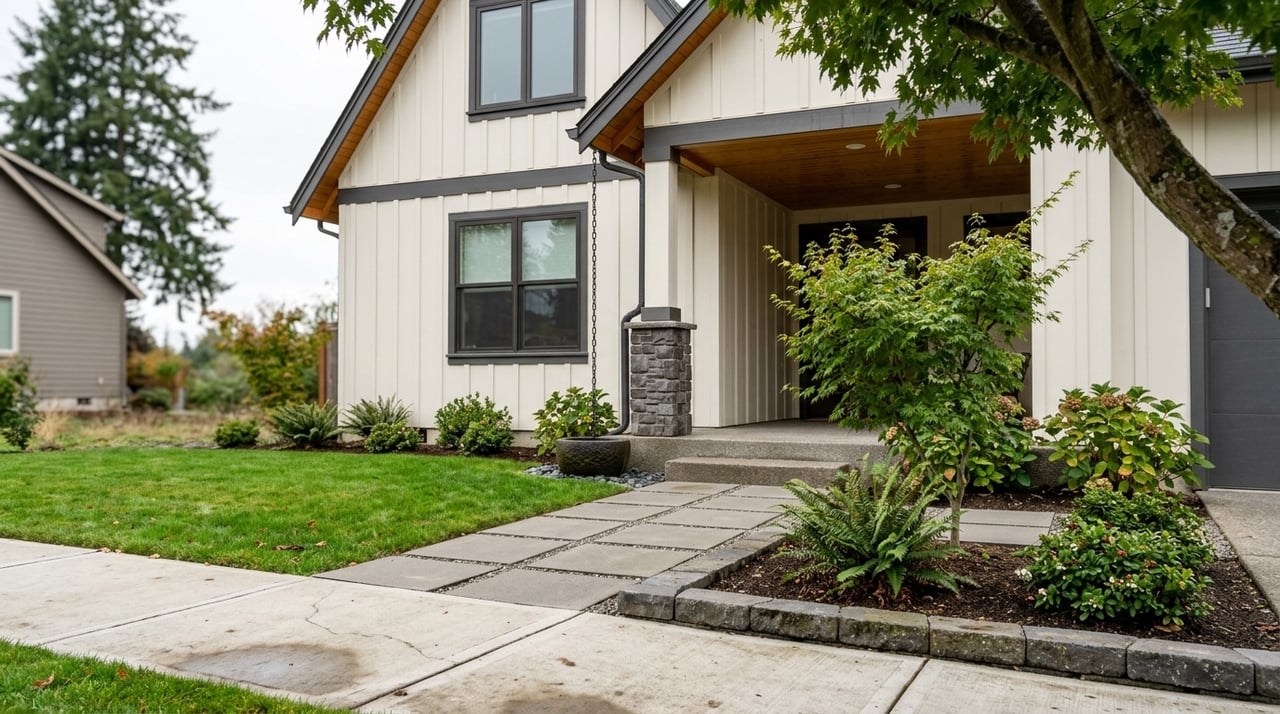
Comparing West Linn Newer Neighborhoods vs Established
June 18, 2026
June 18, 2026
Wondering whether a newer or more established neighborhood in West Linn is the better fit for your next move? It is a smart question, especially in a city where housing is limited, prices are high, and the feel of one area can be very different from another. If you are weighing layout, upkeep, lot size, and long-term value, this guide will help you compare the trade-offs with more confidence. Let’s dive in.
West Linn is a mostly owner-occupied city with a housing stock that leans heavily toward single-unit homes. According to ACS 2024 5-year data, the city has 10,395 housing units, with 83% owner-occupied and 81% in single-unit structures. The median owner-occupied home value is $770,200.
That matters because West Linn is not a market with endless new subdivisions or wide-open land for large expansion. The city describes limited land availability and an aging housing stock, while also pointing to infill and middle housing as key parts of future growth. In other words, your choice is often not simply “brand-new versus old,” but rather newer infill or late-1990s to 2000s development versus long-established neighborhoods.
In West Linn, newer neighborhoods often trace back to later development waves from the 1990s and 2000s. Neighborhood association dates can act as a rough timing guide, with examples including Hidden Springs in 1994, Rosemont Summit in 1995, Savanna Oaks in 1996, Parker Crest in 2000, and Barrington Heights-Hidden Creek Estates-Tanner Woods in 2002.
These dates are not exact construction records, but they do help show where later subdivision growth took shape. Today, newer housing may also show up through infill, cottage clusters, attached housing, and other middle-housing projects rather than classic large-lot suburban expansion.
West Linn’s planning direction supports that pattern. The city says it expects to need about 1,000 new housing units over the next 20 years, with roughly one-third expected to be attached housing, and state rules limit the city from making middle-housing rules more restrictive than single-family rules in those zones.
Established neighborhoods in West Linn often offer a different physical pattern and visual character. Instead of more uniform subdivision layouts, these areas may include mature streetscapes, less standardized lot shapes, and a wider mix of home styles.
The clearest example is the Willamette Historic District. The city describes it as a special zoning area listed on the National Register in 2009, with a period of significance from 1895 to 1929 and 38 officially designated historic properties. Architectural styles include Victorian and early twentieth-century American homes.
Other mature parts of West Linn also reflect older development patterns. The city’s historic resource surveys focused on areas such as Bolton, Sunset, and Willamette, while Robinwood’s neighborhood plan notes that there are no small lots in the area and that new development should match the neighborhood’s long-standing density and appearance.
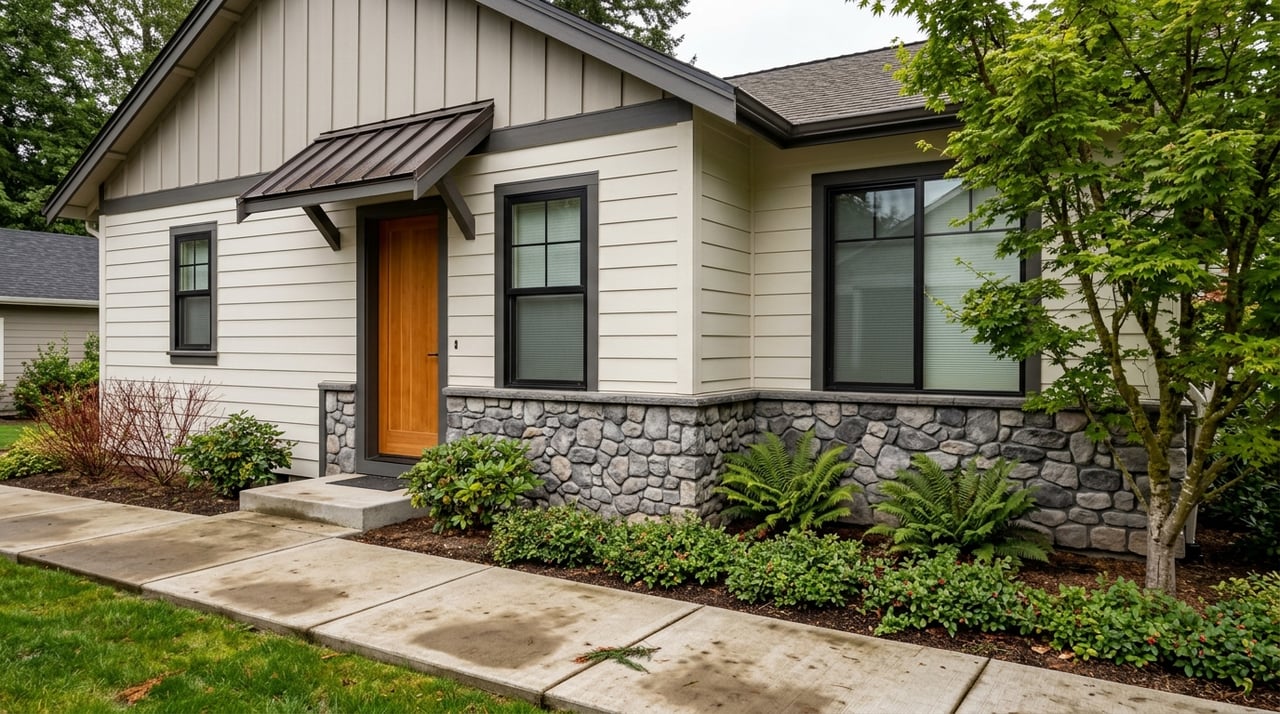
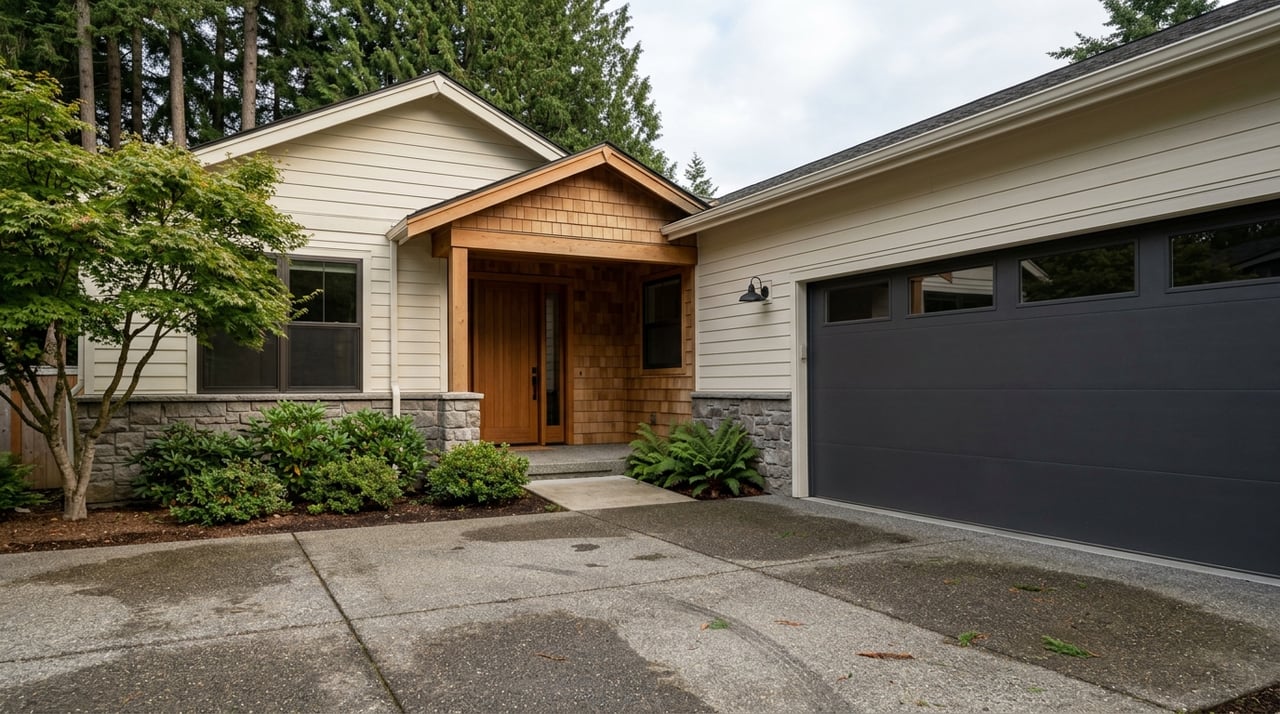
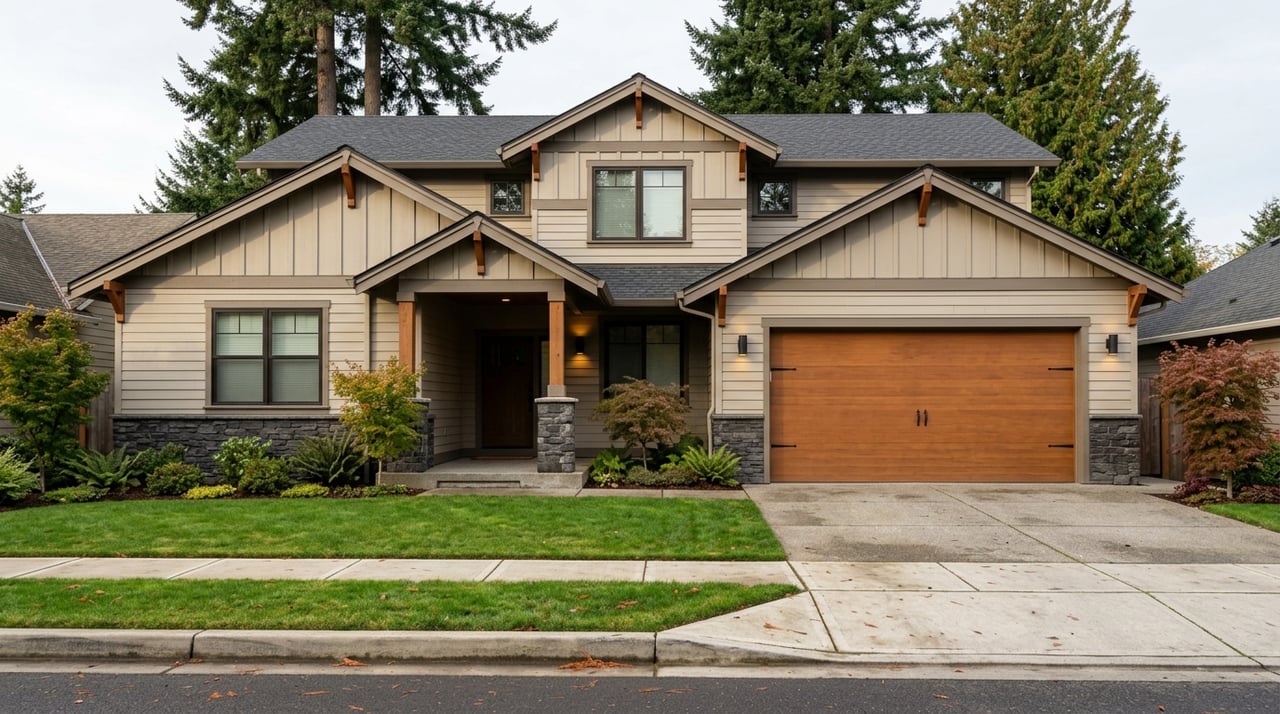
If you want a home that feels more turnkey, newer neighborhoods may check a lot of boxes. In West Linn, newer housing often brings more standardized construction, modern layouts, and design choices shaped by current codes and current buyer preferences.
You may also find a lower immediate maintenance burden. Since the city describes much of West Linn’s housing stock as aging, many buyers look to newer homes to reduce the chance of tackling major repairs right after closing.
A newer neighborhood can also be a strong fit if you prefer predictable streetscapes or a more consistent home style from one block to the next. For buyers who value simplicity and ease of move-in, that can be a meaningful advantage.
Established neighborhoods appeal to buyers who care about character, lot variety, and a more mature setting. In West Linn, that can mean older architectural styles, deeper visual texture from block to block, and homes that do not all follow the same template.
Lot patterns can also be a major draw. Robinwood’s plan specifically notes that it has no small lots, and older neighborhoods may offer larger or less uniform parcels than newer development shaped by limited land supply.
For some buyers, established areas simply feel more rooted. If you enjoy historic details, mature landscaping, or a neighborhood pattern that developed over time rather than all at once, older parts of West Linn may feel more distinctive.
The right choice usually comes down to priorities, not a universal winner. In West Linn, newer and established neighborhoods each solve a different problem for buyers.
If you choose newer, you may get a more move-in-ready home and a floor plan that fits today’s lifestyle. In exchange, you may see smaller lots, attached housing options, or more compact site planning because the city’s future growth is expected to come through infill and middle housing.
If you choose established, you may gain charm, lot variety, and a more mature setting. At the same time, you may need to budget for updates or repairs because the city’s housing strategy identifies West Linn’s housing stock as aging and in need of conservation, maintenance, and rehabilitation.
| Factor | Newer Neighborhoods | Established Neighborhoods |
|---|---|---|
| Typical era | Often late 1990s, 2000s, or newer infill | Older development patterns, including historic areas |
| Home style | More standardized, current-code construction | Wider variety, including Victorian, Craftsman, bungalow, and revival styles |
| Lot pattern | Often smaller or more efficient sites | Often larger or less uniform lots |
| Maintenance | May reduce near-term major upkeep | May require more updates or repair planning |
| Neighborhood feel | More consistent and planned | More mature and varied |
If you are drawn to an older home, make sure you understand whether the property is in or near the Willamette Historic District. The city says properties identified as historic landmarks or contributing resources in a historic district require design approval for exterior work.
Interior renovations are generally exempt, which is helpful for many buyers. Still, if you are planning an addition, exterior remodel, or visible changes, that approval process can affect your timeline and design choices.
This does not make historic homes better or worse. It simply means you should match your renovation goals with the rules that apply before you buy.
This is one of the most important details to clarify when comparing neighborhoods in West Linn. An HOA and a neighborhood association are not the same thing.
The city says HOAs are private groups that often manage common areas and may restrict things like fences, parking, roof materials, and other exterior features. Neighborhood associations, by contrast, are city-recognized civic groups.
That distinction can shape your ownership experience. If you want fewer private-use restrictions, or if you want to understand how exterior changes are handled, this is worth confirming early in your search.
West Linn remains a high-cost market by regional standards. The city’s housing strategy says the median home sale price increased from $585,000 in 2021 to $790,000 in 2024.
In a market like this, buyers often pay close attention to condition, lot utility, and how much additional spending a home may require after closing. Newer or recently updated homes may appeal to buyers who want fewer immediate projects, while established homes can still stand out when location, lot, and architectural character are strong.
That is why resale is rarely just about age. It is more about how well a property’s condition, setting, and features line up with what buyers in West Linn value most.
If you are deciding between newer and established neighborhoods in West Linn, start with your daily priorities. Think about how much home maintenance you want to take on, how important lot size is, and whether you prefer character or convenience.
A simple checklist can help:
When you answer those questions honestly, the right neighborhood type usually becomes clearer. In West Linn, the best choice is the one that fits your lifestyle, budget, and comfort with upkeep.
If you want help comparing West Linn neighborhoods, sorting through newer construction versus established homes, or identifying resale risks before you make an offer, Gaston Sanchez can help you move forward with clear, data-driven guidance.
Stay up to date on the latest real estate trends.
When you’re selling, I’ll position your home to achieve top dollar quickly through strategic marketing, technology, and team collaboration. When you’re buying, I’ll ensure you have real-time market data, exclusive insights, and a strong negotiating position.