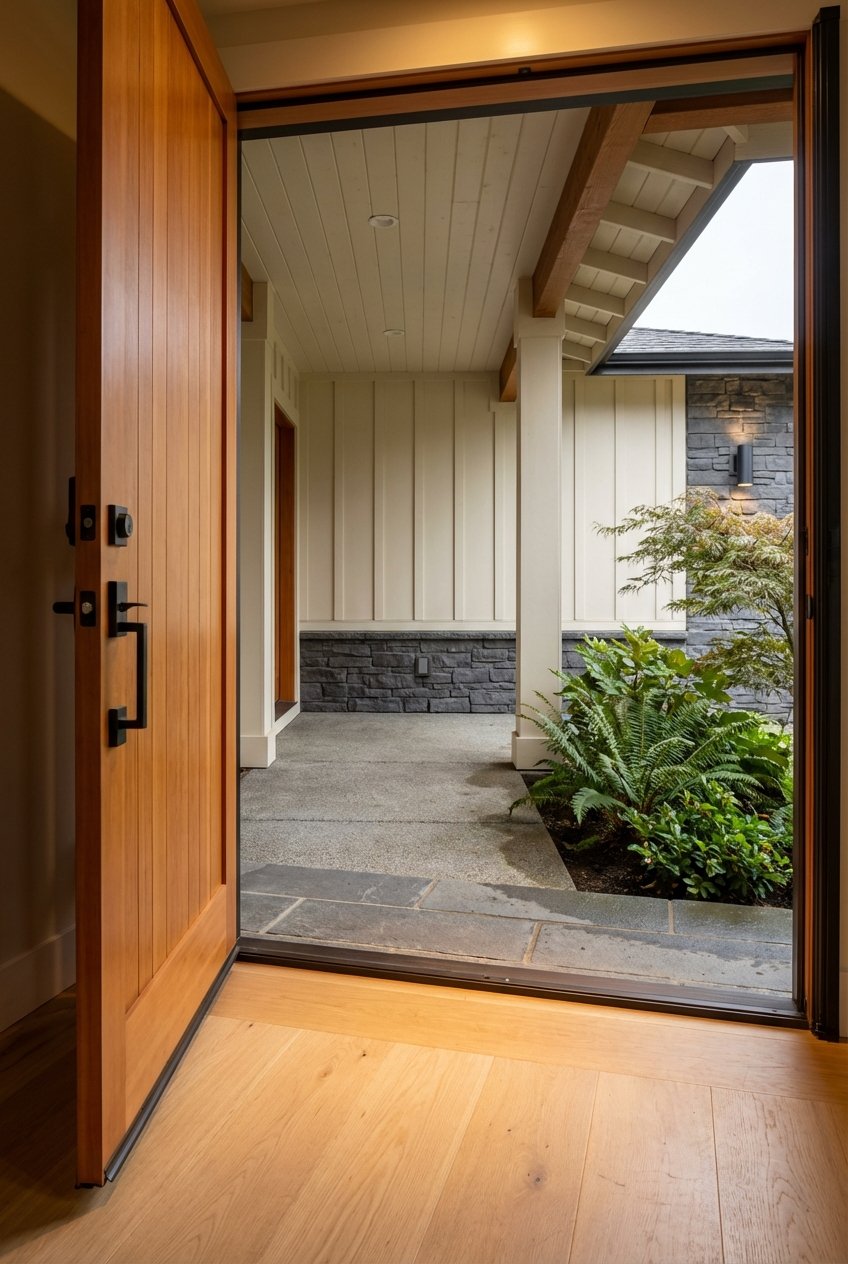
Happy Valley New Construction Or Resale Home: How To Decide
February 26, 2026
February 26, 2026
Trying to choose between a brand-new home and a well-kept resale in Happy Valley? You are not alone. With prices commonly in the high 600s to low 700s and a steady stream of new communities, the right choice depends on your timeline, budget, and comfort with construction details. In this guide, you will see how costs, taxes, timelines, financing, inspections, and warranties compare in Happy Valley so you can buy with confidence. Let’s dive in.
Happy Valley sits among Portland’s higher-priced suburbs, and new communities continue to add options alongside established neighborhoods. Your negotiation leverage can shift month to month, so it pays to check a fresh snapshot before you write an offer. If you plan to live here long term, focus on total cost of ownership, not just the sticker price.
| Factor | New Construction | Resale Home |
|---|---|---|
| Speed to move-in | Fast if inventory/spec is available, otherwise plan months | Typically 30–60 days after offer acceptance |
| Customization | Choose plans and finishes, upgrades add cost | Limited to remodels after closing |
| Maintenance risk | Lower early on, covered by builder warranties | Varies by age and condition, repairs may surface post-close |
| Up-front fees | City SDCs, CETs, and permits are built into pricing and can be significant in Happy Valley. The City’s example for a 2,500 sq ft home shows about $58,364 total fees. | Mostly standard closing costs; no SDC/CET permit add-ons |
| Warranties & remedies | Common 1-2-10 builder warranty model | Typically no builder warranty; negotiate repairs or buy a service plan |
| Typical financing | Standard mortgage for finished spec homes or construction-to-permanent for build-to-order | Standard mortgage |
For fee details, see the City of Happy Valley’s published System Development Charges and examples on the SDC and excise taxes page.
New builds include land, construction, required permits, and local development fees. In Happy Valley, the City publishes concrete examples for a single-family home. For a 2,500 sq ft detached house, the illustrative total is about $58,364, including roughly $46,291 in SDCs, $4,718 in construction excise taxes, and $7,355 in building permits. Transportation SDCs run about $12,779, Parks SDCs about $10,479, with additional storm, surface water, and sanitary sewer fees. You can review the current schedule and example breakdown on the City’s SDC and excise taxes page.
With resale, you avoid SDCs and permit-fee load, but you may budget for updates. A new kitchen, flooring refresh, or roof replacement can quickly match the cost of finish upgrades in a new home. Weigh your must-haves and run the numbers for both paths.
Permitting and plan review can affect schedules. Happy Valley’s master fee schedule outlines planning and engineering fee structures and helps set expectations for review steps.
City inspections verify code compliance at key stages, but they are not a substitute for your own inspector. For new builds, smart buyers schedule at least a final inspection and an 11-month inspection to capture warranty items. If possible, add a pre-drywall inspection to review framing, wiring, and plumbing before walls close. See a professional inspector’s explanation of why these stages matter.
On move-in day, you will complete a walkthrough and punch list with the builder. Keep careful notes and photos. Put your 11-month inspection on the calendar the day you get keys.
Many builders follow a 1-2-10 warranty pattern: 1 year for workmanship and materials, 2 years for mechanical systems, and 10 years for major structural defects. Ask the builder for the full warranty contract, who administers it, and whether the structural coverage is insurance-backed. You can review an overview of the 1-2-10 model here.
Separately, Oregon’s construction-defect statute of repose often runs 10 years, which is a legal deadline distinct from warranty terms. If a contract or claim question arises, consult qualified counsel. A state Supreme Court case summary illustrates how these timelines can apply.
Oregon’s Measure 50 rules cap assessed value growth for existing properties, but new construction and certain status changes can reset assessed value closer to current market levels. That can mean higher initial tax bills on a new home than on a comparable long-held resale. For county specifics, review Clackamas County Assessment and Taxation resources.
New homes typically meet newer Oregon residential energy codes, which can lower utility costs compared with older homes that have not been updated. Check out the Oregon Department of Energy’s code page for context on recent efficiency standards.
Many new communities also have HOAs. A recent model listing in a Happy Valley subdivision showed an HOA fee around $184 per month. Always review CC&Rs, budgets, and reserve studies before you commit.
New homes often appraise at a higher price per square foot due to modern layouts, energy features, and finishes. Resale value depends on location, lot, neighborhood maturity, and the volume of nearby competing new inventory. If you are using construction-to-permanent financing, Fannie Mae’s conversion guidance explains appraisal and delivery requirements so you know how lenders treat your property at completion.
Happy Valley has active builder communities. It is common to see offerings like closing-cost credits or interest-rate buydowns tied to a preferred lender, builder-backed warranties, and finish packages with upgrade menus. Inventory homes can make your timeline easier. Build-to-order plans expand your choices but extend the schedule. Confirm exactly what the base price includes and get a written list of upgrades with pricing.
Use these prompts to clarify your path:
Ready to weigh specific neighborhoods, builders, and resale options side by side? Let’s map your goals to a clear plan, run true total-cost comparisons, and set a timeline that works for you. For concierge guidance from a local new-construction and resale specialist, connect with Gaston Sanchez for a complimentary consultation.
Stay up to date on the latest real estate trends.
When you’re selling, I’ll position your home to achieve top dollar quickly through strategic marketing, technology, and team collaboration. When you’re buying, I’ll ensure you have real-time market data, exclusive insights, and a strong negotiating position.