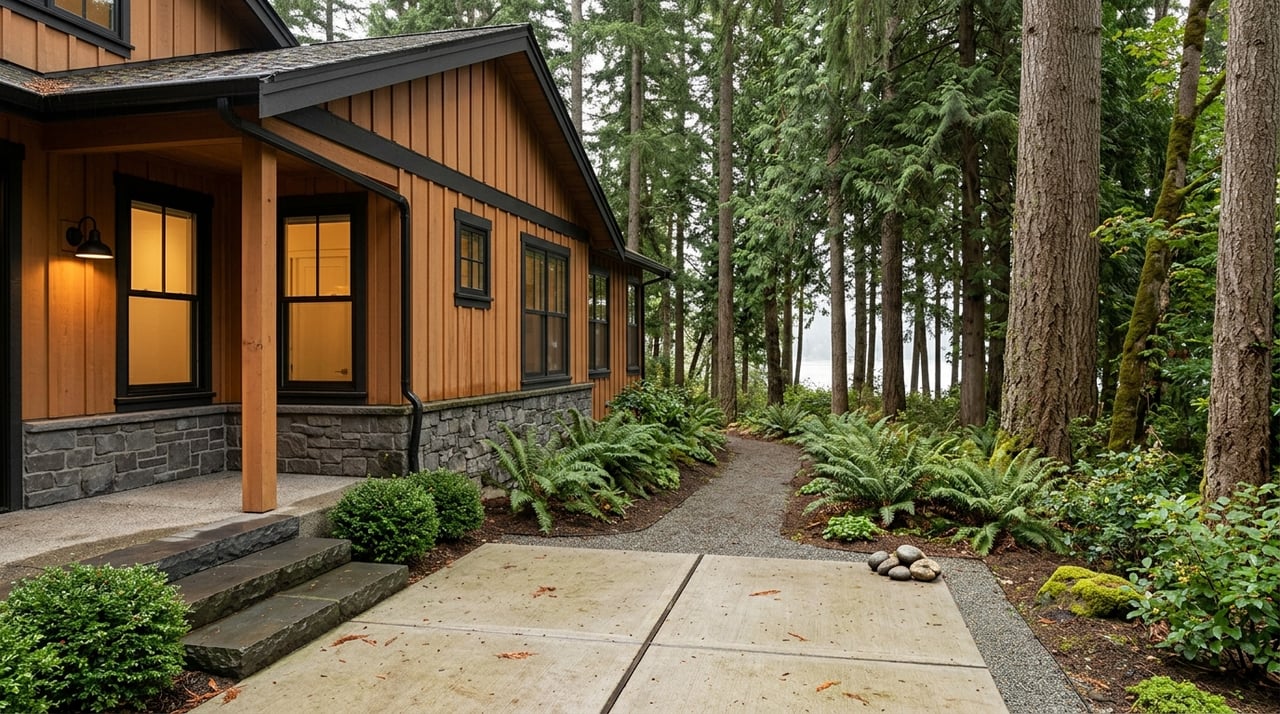
Outdoor Lifestyle And River Access Living In West Linn
April 2, 2026
April 2, 2026
If you want a place where getting outside feels less like a weekend plan and more like part of your normal routine, West Linn deserves a closer look. Life here is shaped by rivers, trails, and parks, but it also stays connected to the practical side of daily living. Whether you are searching for a home near open space or simply want a lifestyle that makes it easier to walk, paddle, picnic, or unwind outdoors, West Linn offers a compelling mix. Let’s dive in.
West Linn is part of the Portland and Vancouver metro area, located about 15 miles south of Portland in Clackamas County. According to the city's community facts, it is bordered by the Willamette and Tualatin rivers and includes more than 600 acres of park land.
That setting gives West Linn an outdoor identity that feels built into everyday life. The city also highlights Camassia Natural Area and Willamette Falls as defining natural landmarks, which adds to the area's strong connection to scenery, recreation, and waterfront living.
One of the biggest lifestyle advantages in West Linn is how many ways you can interact with the water. The city's river access network includes Tualatin River Open Space, Willamette Park and Bernert Landing, Cedaroak Boat Ramp, Cedar Island, Maddax Woods, West Bridge Park, Swiftshore Open Space, and Burnside Park.
These spaces are not just scenic overlooks. Across the system, the city points to practical amenities like boat ramps, fishing platforms, trails, picnic areas, wildlife viewing, and even seasonal pedestrian access by floating bridge. For you as a buyer, that means river living in West Linn can support both active recreation and simple day-to-day enjoyment of the outdoors.
West Linn is also a partner in the Willamette River Water Trail, a route that the Oregon State Marine Board says stretches 187 miles along the mainstem Willamette River. That adds another layer to the lifestyle here, especially if you enjoy paddling, exploring different launch points, or spending more time on the water over the course of the year.
Outdoor lifestyle is easier to sustain when access is close and consistent. West Linn says it has 25.6 miles of trails, including 18.2 miles through parks and open spaces and 7.4 miles along easements, city property, residential linkages, and unimproved public right of way.
That variety matters because it supports more than one kind of routine. You may want a longer weekend walk, a bike ride, a short nature break after work, or a simple path connection between nearby destinations. In West Linn, the trail system is part of how people move through the city, not just a separate recreation amenity.
The city also describes these parks and trails as places for walking, biking, wildlife watching, sports, picnicking, and spray parks. That broad mix gives you flexibility if you want outdoor options that can adapt to different schedules, seasons, and household needs.
When people talk about West Linn's outdoor appeal, Mary S. Young Park often stands out. The park is about 128 acres, sits along the Willamette River, and offers roughly 5 to 8 miles of trails.
It also includes sports fields, a reservable shelter, and a designated off-leash area for dogs. The city notes that it is a favorite for urban birders, which speaks to the park's natural character as well as its everyday usability.
For a homebuyer, this kind of amenity can influence how a neighborhood feels over time. A large riverfront park nearby can support regular walks, outdoor meetups, dog outings, and low-key recreation without requiring much planning.
West Linn's outdoor spaces are designed for repeat use, not just occasional visits. At Willamette Park, you will find river access alongside picnic shelters, a gazebo, sports fields, a playground, a wading pool, WiFi, and wildlife viewing.
Fields Bridge Park adds another layer with community gardens, ballfields, basketball courts, walking paths, WiFi, and a playground. These features show how the local park system supports casual gatherings, active recreation, and everyday convenience.
That distinction is important if you are thinking beyond the home itself. A community with usable outdoor amenities can shape how often you spend time outside, how easily you host friends or family, and how connected you feel to the place where you live.
A great outdoor lifestyle also depends on whether the amenities are easy to use consistently. West Linn's park rules help set that framework, with parks open from one hour before sunrise to one hour after sunset.
The city also states that city-owned trails are for pedestrian and bicycle use, and dogs must be leashed except in designated off-leash areas at Mary S. Young Park. These details may seem small, but they support a more predictable experience if outdoor time is part of your routine.
West Linn also offers park shelter and field reservations, making it easier to plan gatherings and organized activities. The city's Adopt-A-Park program further reflects ongoing local involvement in maintaining parks, trails, and open spaces.
Another reason West Linn stands out is that its waterfront story is still developing. The city's 2025 Waterfront Community Vision Plan focuses on a 275-acre Willamette River waterfront area with goals tied to future public access and environmental stewardship.
For buyers, that matters because it suggests the riverfront is not a finished, static feature. It is part of a longer-term vision that aims to balance access, use, and care for the natural setting.
That kind of planning can be especially appealing if you value communities that continue investing in how people experience parks, open space, and the waterfront over time. It also reinforces that West Linn's outdoor identity is not accidental. It is something the city is actively shaping.
Even if outdoor living is a top priority, convenience still matters when choosing where to live. West Linn's community profile notes that the city is about 15 miles south of Portland and has access to Interstate 205 and Highway 43.
The city also says that biking and walking are great ways to reach many destinations in West Linn, while TriMet and SMART resources support broader trip planning. That balance of outdoor access and transportation options can make daily life feel more manageable.
A Robinwood neighborhood plan also explains that the local trail and pathway system connects with existing trails and roadways throughout West Linn, and that Highway 43 includes sidewalks, walkways, and bikeways separated from traffic. In practical terms, outdoor access here can feel woven into how you move around town.
If you are considering West Linn, the outdoor lifestyle is not just about living near pretty views. It is about having access to a city where rivers, parks, and trails support regular habits and a wide range of interests.
You may be drawn to the Willamette or Tualatin river access points, the larger park spaces like Mary S. Young Park, or the everyday value of connected trails and reservable gathering areas. You may also appreciate that this outdoor setting comes with practical links to Portland and a city vision that continues to invest in waterfront access.
When you evaluate homes in West Linn, it helps to think beyond square footage and finishes. Consider how close you want to be to trailheads, river access, parks, and transportation routes, and how those features could shape your routine long after move-in day.
If you want expert guidance on finding a home that fits the lifestyle you are after in West Linn, connect with Gaston Sanchez. You will get a data-driven, concierge-level approach that helps you evaluate not just the property, but how it supports the way you want to live.
Stay up to date on the latest real estate trends.
When you’re selling, I’ll position your home to achieve top dollar quickly through strategic marketing, technology, and team collaboration. When you’re buying, I’ll ensure you have real-time market data, exclusive insights, and a strong negotiating position.