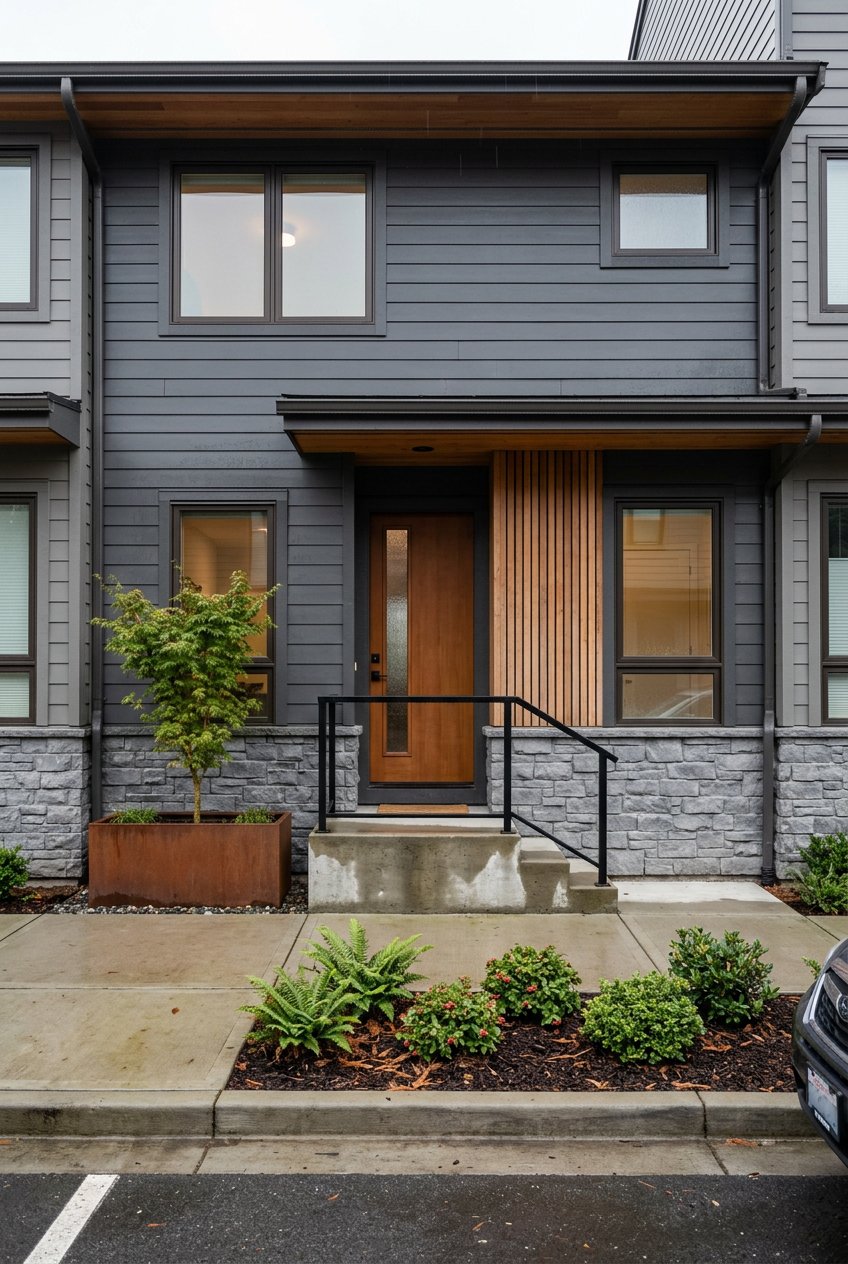
Lakefront Or In-Town Living In Lake Oswego?
March 24, 2026
March 24, 2026
You love the idea of mornings on Oswego Lake, but you also want the ease of walking to coffee, errands, and parks. Choosing between lakefront and in-town living in Lake Oswego means weighing two great lifestyles with very different costs, upkeep, and daily rhythms. In this guide, you’ll see how access rules, fees, commute patterns, and housing types compare so you can choose with confidence. Let’s dive in.
Lakefront usually refers to homes with direct shoreline frontage or specific dock and easement rights on Oswego Lake. These properties are scarce and come with Lake Oswego Corporation (LOC) rules for docks, boathouses, and access. You can review how LOC easements work, including eligibility and fees, on the LOC easements page.
In-town typically means homes, townhomes, and condos near Lake Oswego’s village centers: Downtown/First Addition and Lake Grove. Downtown focuses around A Avenue and State Street with restaurants, services, and Millennium Plaza Park. The city’s overview of the area gives helpful context for amenities and business mix in Downtown Lake Oswego.
A third option sits in the middle: near-lake neighborhoods that are a short walk or drive to the water without direct frontage. These pockets can deliver views or easier lake proximity with fewer waterfront obligations.
As of February 2026, public market trackers reported a citywide median sale price around 900,000 dollars, with typical home values in the mid to high 800,000s. Neighborhoods vary widely from there. Premium lakefront areas and pockets like North Shore/Country Club often post multi-million dollar values, while some in-town and inland neighborhoods track lower. When you get serious about a target street, recent MLS comps will tell the clearest story.
In-town buyers should plan for HOA dues where applicable. Example downtown condos show monthly HOA fees in the hundreds of dollars per month, with one lake-view condo displaying about 883 dollars per month in dues. These fees often cover exterior maintenance and shared amenities, which can help if you prefer a low-maintenance lifestyle.
Lake users should budget recurring LOC easement and boat-related fees in addition to property taxes and any HOA dues. Recent examples published by the LOC list annual easement member fees such as approximately 228 dollars for Swim Only/Non-Power and approximately 1,566 dollars for a Power Boat membership, with a shared power-boat membership option as well. See current figures and how eligibility works under LOC easements and fees.
Waterfront infrastructure is also regulated. Adding or replacing a dock or boathouse requires approvals under LOC waterfront development rules, and many projects also need city permits. These rules outline size, setback, and use restrictions that shape what you can change on the shoreline.
Two overlapping entities shape life on Oswego Lake: the City of Lake Oswego manages public parks, land-use code, and flood management; the Lake Oswego Corporation manages private easements, docks, boathouses, and on-lake rules. If your lifestyle plans include boating or swimming, learn how both sets of rules apply to your address.
Public access is evolving. After extended litigation, court orders in 2024–2025 required public launch access at Millennium Plaza Park, and the city has been implementing changes and operating rules. For context on the rulings and current status, review recent OPB coverage of Oswego Lake public access. Operational details at the park can change by season or event, so it is smart to confirm the latest city updates before you rely on public launch access in your plans.
Private access varies by parcel. Some lakefront and near-lake properties include specific easements through small associations, each with their own rules and assessments. Always verify whether a home has an LOC-recognized easement and what activities it allows on the LOC easement lookup and policy page.
Lake Oswego is primarily car-oriented, but in-town addresses near Downtown/First Addition and Lake Grove offer a different daily rhythm. As noted above, a downtown coordinate scores about 73 on Walk Score, signaling that dining, errands, and parks can often be reached on foot. If you value short car trips and pedestrian-friendly streets, focus your search around the village cores. See the city’s overview for Downtown Lake Oswego.
For commuting, Highway 43 (State Street in town) connects directly to Portland. TriMet bus lines serve the village centers and nearby corridors, including routes 35, 37, 78, and 153. You can preview service and connections on the TriMet Line 35 schedule page, then check additional routes as needed.
Citywide, the average travel time to work sits around 21 to 22 minutes based on American Community Survey estimates. You can explore local commute statistics on U.S. Census QuickFacts for Lake Oswego.
The city has also invested in village-scale improvements. In Lake Grove, the multi-year Boones Ferry Road project added features designed to improve walking and biking. For project scope and FAQ details, visit the city’s Boones Ferry Project page.
Lakefront homes come with specialized maintenance. Seawalls, docks, and boathouses require ongoing attention, and replacements or additions need approvals under LOC waterfront development rules. Budget for inspections of shoreline structures and confirm any permits transferred with the property.
Flood considerations matter near the lake and connected bays. Lake Oswego participates in the National Flood Insurance Program and maintains maps that identify the city’s Flood Management Area. Some lakeside parcels fall within mapped areas and may require elevation certificates or specialized coverage. Before you make an offer, check the city’s information on the National Flood Insurance Program and talk to your insurance advisor.
In-town buyers should review HOA budgets, reserves, and rules to understand routine dues and any potential special assessments. While HOAs can reduce individual maintenance, they transfer some costs into monthly fees.
Start with the daily life you want, then layer in budget and upkeep:
Here is a quick due-diligence checklist you can use on any Lake Oswego address:
The Lake Oswego School District is widely recognized in Oregon and is a major consideration for many buyers. For boundaries, enrollment, and programs, start with the LOSD district site. Strong demand for the city’s schools, amenities, and commuting patterns also aligns with a relatively high median household income, as shown in Census QuickFacts. Enrollment boundaries and program offerings vary by school and year, so confirm details directly with the district during your search.
Whether you choose lakefront, near-lake, or in-town, the right address should match your lifestyle, budget, and tolerance for upkeep. If you want help weighing easements and fees against walkability and HOA costs, let’s build a side-by-side plan tailored to your goals. Reach out to Gaston Sanchez to start your comparison and see on- and off-market options.
Stay up to date on the latest real estate trends.
When you’re selling, I’ll position your home to achieve top dollar quickly through strategic marketing, technology, and team collaboration. When you’re buying, I’ll ensure you have real-time market data, exclusive insights, and a strong negotiating position.